charlieinabook
find Charlie on
  • charlieinabook
  • charlieinablog
  • Author Takeovers
  • MuggleNet Reviews
  • The Book House
  • charliewrites

Where oh where did Charlieinabook go?

23/10/2013

0 Comments

 
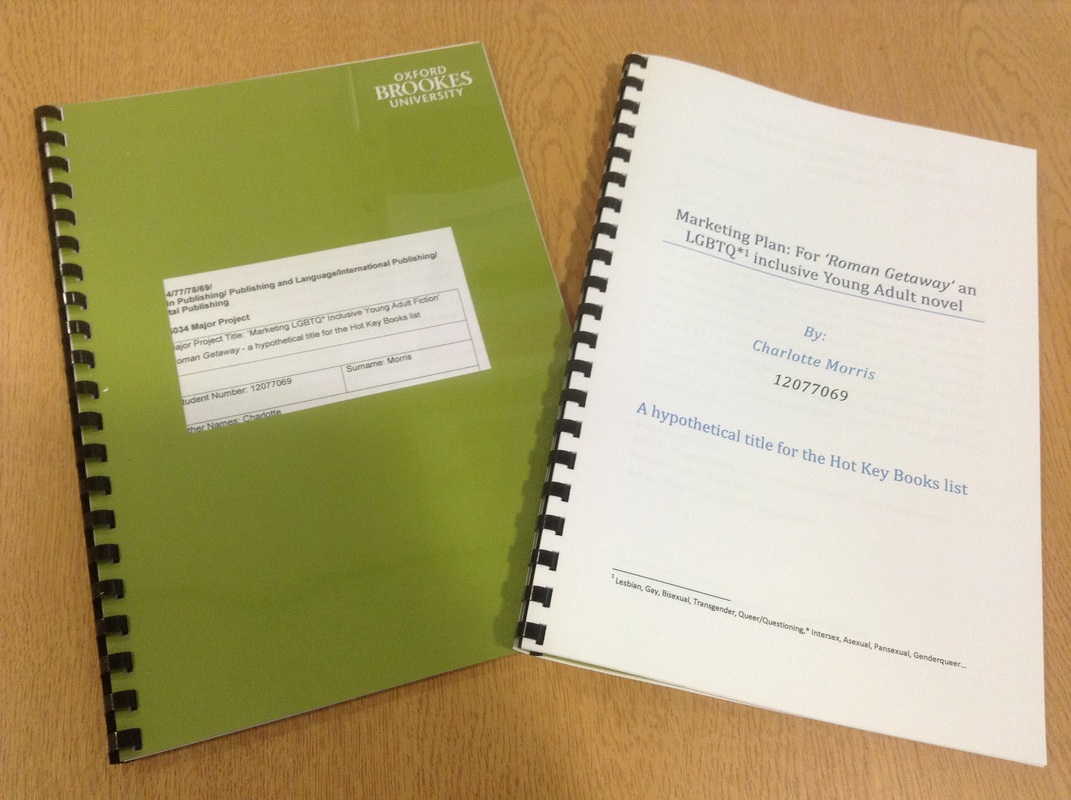
PictureMy Major Project Detritus
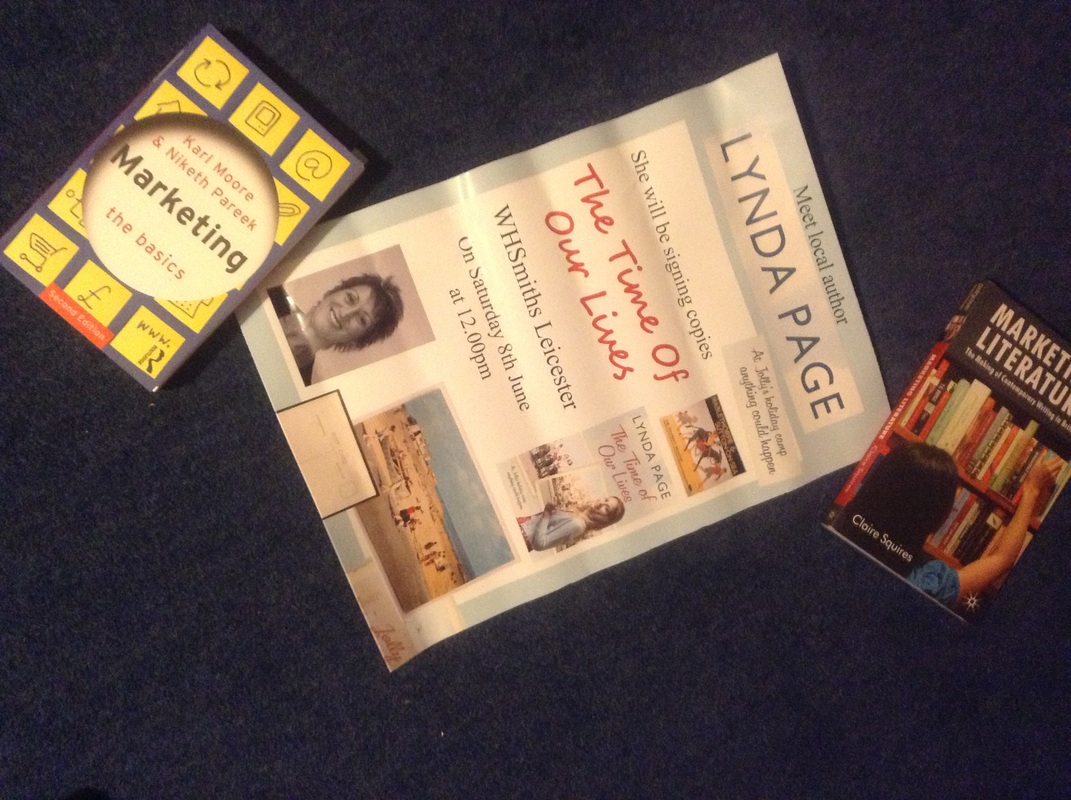
I appear to have taken an accidental blogging hiatus. Whoops! That was certainly never my intention. However it has much to do with my post today, and my incredibly busy summer. Last time I blogged, I’d just finished my internships in London, which provided copious amounts of interesting things to write about. I got back home and had a week long break, then started working on writing up my Major Project. A whole summer to plan and write and research marketing LGBTQ* inclusive YA, how wonderful.

And then I accidentally got a job. *cue screeching disc scratch*

A bulletin went up via the Brookes publishing MA website. Oxford University Press were looking for an intern in the children's trade marketing and publicity department. Having just finished a month LOVING publicity at Headline, and knowing full well that children's/YA was my area of interest, this opportunity was a dream come true. I weighed up the options (Sally’s email reminded us that getting full time employment was not grounds for an extension on our project deadlines) and decided that the job was too great to pass up.

I went in for the interview with Hattie Bayly and Charlotte Armstrong and soon learned that the internship was in fact a short contract job. Oh again!!! 

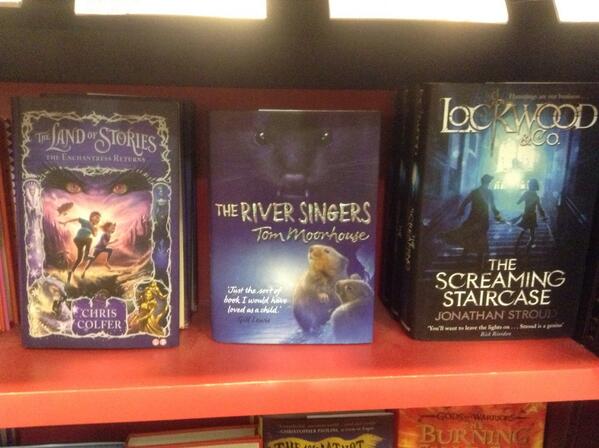
There had been a crossed wire and a full time grown up actual real job was not what I was expecting from the advertisement, but this was so much better. Luckily everything went well at the interview, and I was asked to join the OUP Children’s Trade team. Myself and fellow Brookes alumna, Alesha Bonser, stepped into the very capable shoes of Publicity Executive Jennie Younger. Armed with Jennie’s two folders of notes about how to run the office, we were off - planning events, sending out Winnie the Witch costumes, writing up press releases, sending review mailings, meeting wonderful authors such as Tom Moorhouse at the launch of The River Singers, posting to the Oxford Owl page, talking to bloggers, designing marketing materials and living the dream.

And so began a summer of working full time. As well as continuing to work my ‘every other weekend’ Saturday job at The Book House...and let's not forget that major project shall we? EEP!!!

Sunday’s were generally spent sleeping and typing furiously. (Apologies to all the friends with whom I had to cancel plans!)

The project was finally handed in (after a lot of hard work and late nights) at the end of September, thanks to the help of Helena Markou, Liz Chapman, Beth Howard, Beth Cox, Zoe Marriott, James Dawson, Nina Douglas, Malinda Lo and more. Check out Erica Gillingham's brilliant introduction to UK LGBTQ YA on Malinda's diversity ya site! Now I just can’t wait to put some of my ideas into practice. Let’s hope lots more people choose to write and submit LGBTQ* inclusive fiction to receptive editors and agents (such as Non Pratt at Catnip Books) and that the UK market for diverse fiction will grow with our encouragement.

Working at OUP has definitely been a steep learning curve, stepping away from being a student to having a full time job. In the run up to my MA project deadline, I was organising OUP attendance at two festivals and accompanying authors to their events as their publicist. It’s sometimes felt like running up hill in a strong wind, but it has been an absolute blast.

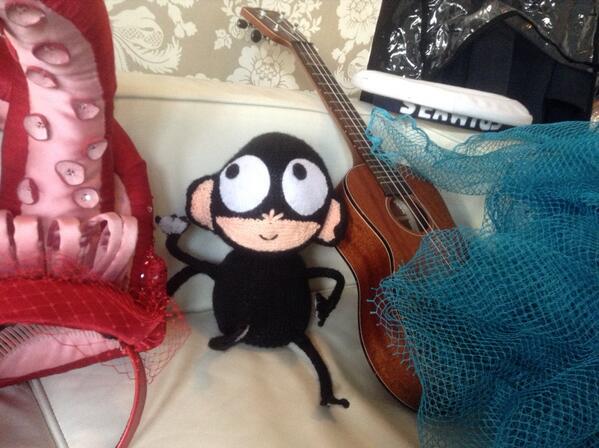
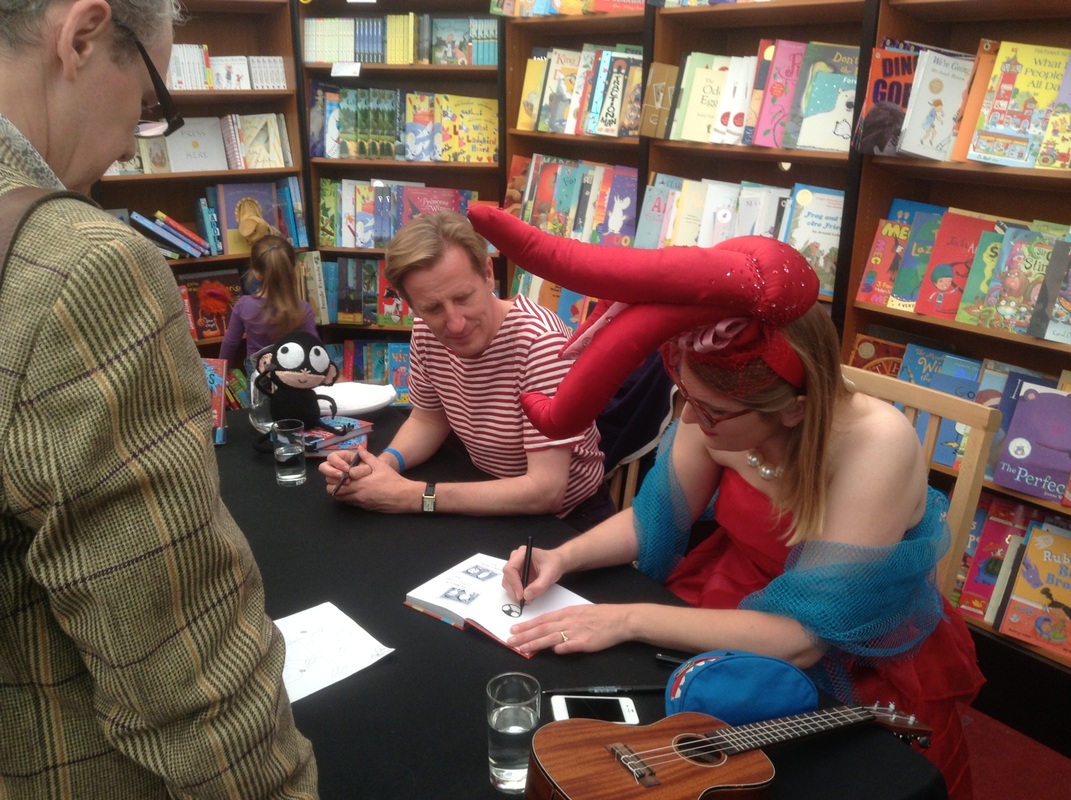
I got to take my Mum's knitted sea monkey to star on stage alongside Sarah McIntyre and Philip Reeve at Cheltenham for Oliver and the Seawigs. I LOVE this snazzy illustrated book for young readers with big imaginations, and meeting Sarah and Philip was so much fun. I had the EEP Monkey song stuck in my head for days and even got to try my hand at illustrating. Check out a chance to win your own family portrait from Sarah here.

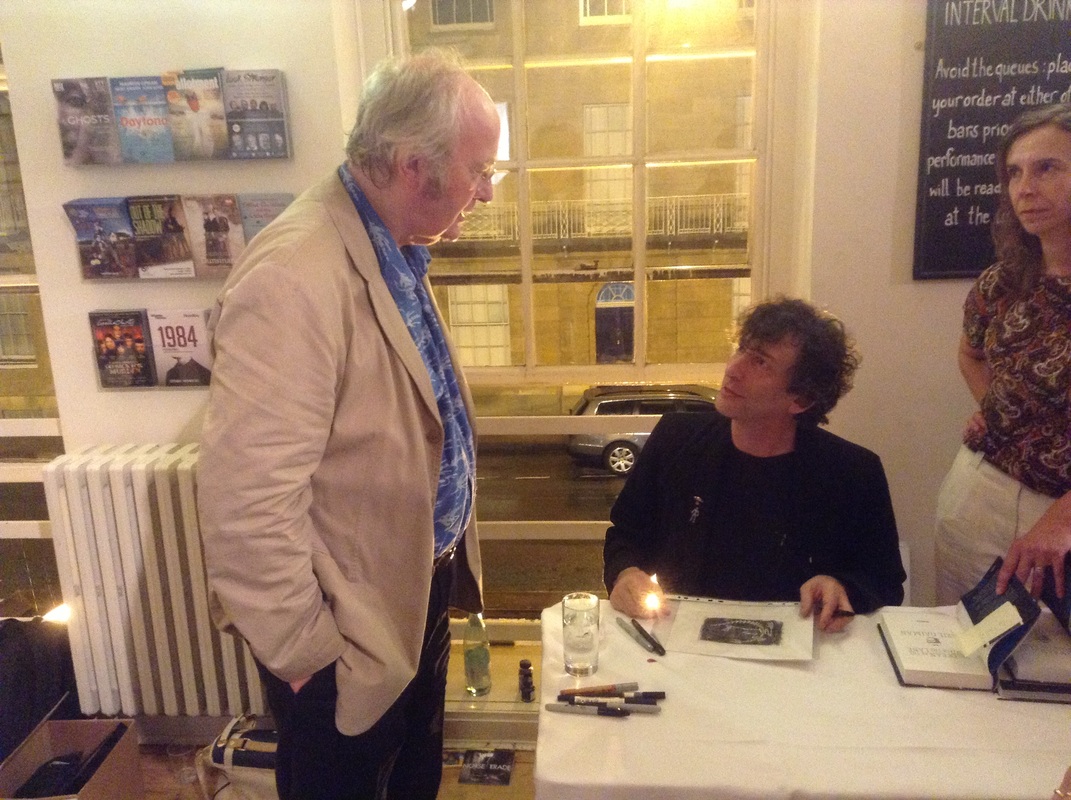
I somehow squeezed in other events along the way.  Neil Gaiman and Philip Pullman discussed favourite children’s books at the Oxford Playhouse, followed by a marathon signing where I was armed with post-its and sharpies assisting Sam Eades once again. A trip to the Nosy Crow children's publishing conference meant that I got to meet the lovely Stacey of prettybooks and I bumped into Lucy from Project UKYA at David Levithan event during Bath Festival. We were thrilled that Every Day was FINALLY published in the UK!! I even managed to fight off the post-deadline flu and see Queen of Teen, Maureen Johnson in conversation with James Dawson at Waterstones Piccadilly. (I stole her stare). A jam packed, incredible, (slightly exhausting), thrilling summer indeed.

Last Sunday was my last ever day at The Book House. Covering during Thame Arts and Literature Festival, I said goodbye to the shop that I've worked at since I was seventeen. Eight years is a long time, and the shop has very much shaped who I am and who I will be. I was delighted to see how much support there was for the Books Are My Bag campaign - for which we decked out Fat Puffin in orange balloons and a fetching t-shirt. Now I plan to use my free Saturdays browsing their shelves and maybe I'll have enough time to actually dip into some of the wonderful and exciting books to be found on them. Huge thanks to Luise and Brian for allowing me to learn from their expertise for so many enjoyable years. 

But there are book reviews I need to write and a MOUNTAIN of books I want to read, and with some upcoming exciting projects, I'm determined now to get back into maintaining this blog with my adventures working in publishing... 

Charlieinabook is back!

Feel free to ask any questions below about what the first few months in a new job has been like, I'd love to know what might intrigue you about the experience, especially if you want to get into publishing yourself. 
0 Comments

My Day With Neil Gaiman

30/6/2013

1 Comment

 
PicturePublished by Headline
AKA the best final day of internship ever.

The week before Monday 17th June, I had been asked to come back to Headline for one more mystery extra day. I almost declined because I was moving back home that weekend and preparing to get cracking with my Major Project. LUCKILY I had an inkling that something special might be happening, reconsidered and sorted out a train ticket for what was probably one of the best and most bizarre days of my life: being publicity assistant to Neil Gaiman. Having spent four weeks preparing showcards, posters, and bookmarks, packaging up review copies, and posting them out, collating press mentions, and desperately wanting to read The Ocean at the End of the Land, the book buzz was ever present and this day was the perfect culmination of an amazing month. 

I hopped on a train from Oxfordshire to London in order to get to the office at 8.30am –and finally got to read bit of the book on the way. There’s nothing quite like not wanting to stop reading but realising that soon you’d be meeting the mastermind behind the book in which you became so instantly engrossed, despite the early hour!

PictureOcean of Oceans
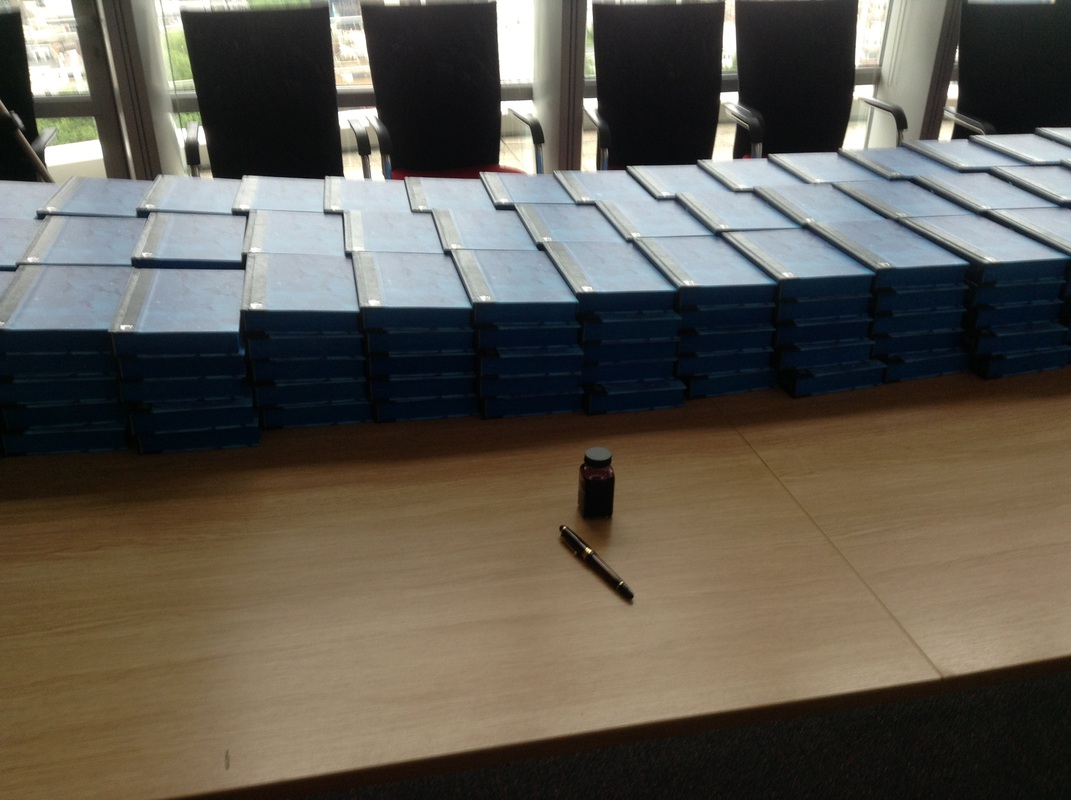
Heading up to the sixteenth floor I met Sam, Tom, Beau, Laura, Clara and Deidre. We set about getting the books ready to be signed (Neil likes them set up five to a pile with the front cover jacket flapped over to the title page, all the better for speedy signing.) Soon rows upon rows of books filled the large conference table. And then lined the window ledges. And also the chairs. And don’t forget the stacks of special editions, carefully piled alongside their boxes ready to be signed. These ones perfectly matched the colour of my shirt. 

By the time we were done at 9.30am we had filled the room. It looked pretty incredible.

Enter Neil Gaiman, who took a laughing stumble back upon being greeted with an Ocean of Oceans. 

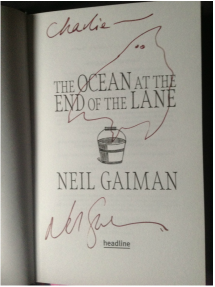
PictureThe thing in the bucket.
After saying hello, Mr Gaiman snapped a few photos to send to twitter for his followers. We had a quick chance to get our own copies of the book dedicated, then got into position for the marathon signing. 

Beau set up a time relay camera to capture the next hour and a half, in which Neil would sign 1300 books with only a small break for a cup of tea and to refill his fountain pen. My role was to make sure the books were ready to be passed on, so I was corner shuffler in The Ocean at the End of the Lane production line. Hi ho.

Check out the video of the super speedy signing here! 

In my role as assistant to Sam, we had to make sure things ran smoothly throughout the day. After a quick trip to collect the food for brunch, I set up the dishes ready for a small gathering of the department staff ready to drink a toast to Ocean. Mr Gaiman thanked his editor, managing director Jane Morpeth, and told us how patient she'd been in regards to the book’s evolution from short story, to oops a bit of a novella, to oh I have appeared to have accidentally written a novel. Sorry! 

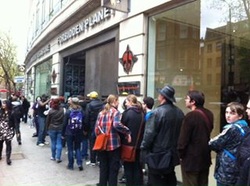
PictureThe front of the queue to see Neil
It was now nearing midday, so time to hop in a car with Neil and Sam in order to get to the Forbidden Planet ninja signing! This is an event that had minimal promotion, announced by Neil on the day, so only those with quick feet or excellent detective skills would be aware of it in advance. The tweets and Facebook comments were rolling in as we got closer, and the queue was getting longer. But we were stuck in London traffic. That was a particularly surreal pinch me moment, as we discussed the schedule for the rest of the day, and I watched people walk by in the streets without a clue of who was in the car. Neil, as King of social media, tweeted to let everyone know where we were, but the traffic was getting even more congested and ground to a halt. So change of plan, time to run to the shop. Things I learnt: Neil Gaiman is FAST. He disappeared up ahead, and was already stood behind the desk ready to greet people when we made it to the Forbidden Planet. 

Neil was ready to sign another 250 books for his eagerly awaiting fans. I managed the queue at the desk, making sure everyone filled in the gaps and kept moving up the line. We flapped the books and got names on post-its to save time as we only had an hour to get through everybody waiting. There was huge excitement in the line, with people from all around the world who were lucky enough (or dedicated enough) to be nearby. Neil managed to talk to each person, recognising some fans and greeting new fans from young to old. I let people get their photos whilst they waited, but was also keeping an eye out for people trying to sneak in extra books to be signed as there was a strict one book per person rule. As the camera flashes from the rest of the customers behind the barriers kept popping, the ninja signing went lightning quick, and despite the fast pace, everyone in the queue had their moment. 

And with that we were off to the next location, hopping back in the car. With a twenty minute break for lunch, there was just enough time for Sam to check emails and respond to urgent publicity requests, whilst I ran across the street to fetch us some coffee. This was the time to take stock and reflect on the morning, whilst preparing for the afternoon events. 

Next up was a trip to the MagicFM studios, where Neil would be recording a podcast with Empire magazine. After another drive through London, we arrived at the studio and were greeted by the staff. It was fascinating to see all the different stations represented by the people at their desks, plus the tiny recording studio booths in which the interview took place. We could see through the window as the presenters spoke to Neil, but couldn't hear anything. For the publicity team, all there was to do now was keep an eye on emails and wait while the recording was done. 
(At this point, Chris Colfer walked by to record his own interview for a radio book club discussion of The Land of Stories, I met some lovely staff from Atom publishing, and my star struck day doubled. Many many moments of muttering 'what is my life?')

Picture
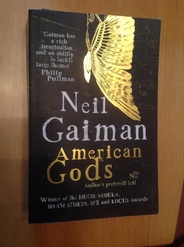
It was now 3.30pm, and as Neil was wrapping up the interview we thanked the staff and headed to location number five. This time it was a BBC World Service book club discussion with Mariella Frostrup, and a Q & A about Neil's novel, American Gods. With an audience of listeners who had had their questions picked, Neil took a break from discussing Ocean and revisited a book that I had read with my friends earlier that year. There was overwhelming demand for Neil to appear on the show, and the audience members had some brilliant questions. It was fascinating to watch the process of the radio show being made, with readings, retakes for sound issues, and some phoned in pre-recorded questions from overseas.

This incredibly interesting discussion wrapped up at 5.30pm, which was when I thought the day would be over. But Sam was able to surprise me with an extra ticket for Neil's highly anticipated sold out theatre event that night, with the Royal Society of Literature. 

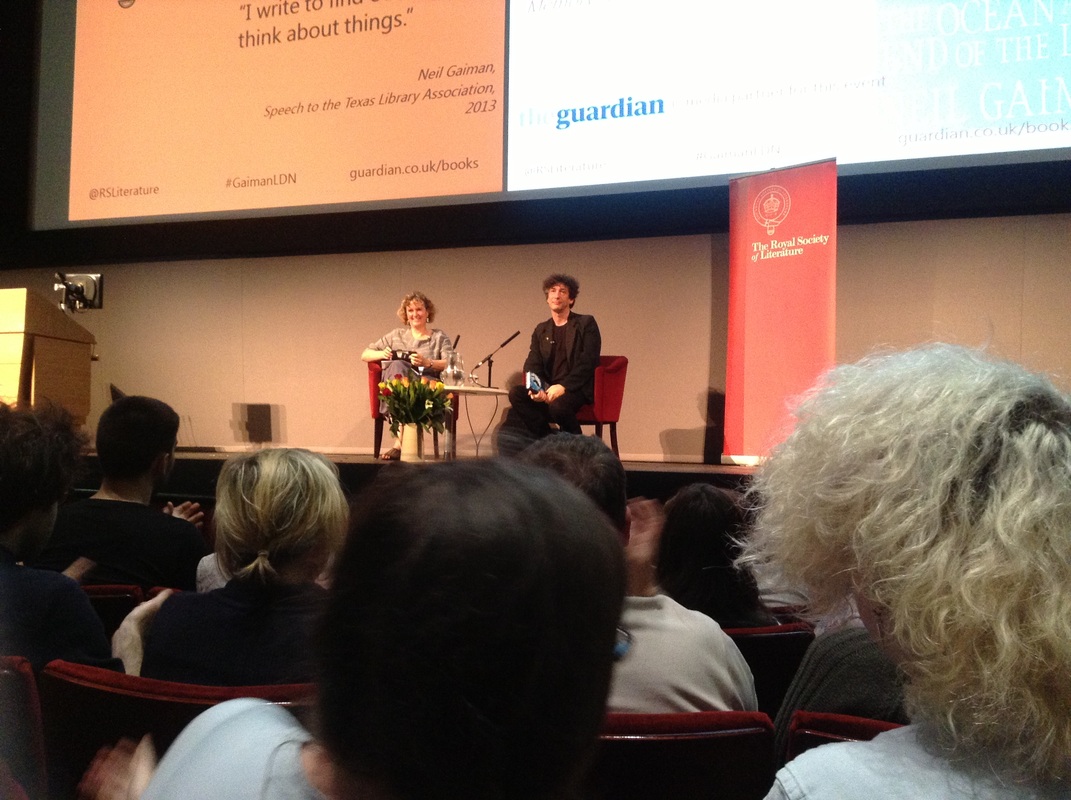
We drove to the theatre and went backstage, where I got to listen to Claire Armitstead's sound check before finding my seat with the Headline staff. With wifi in the theatre, the event was being blogged and questions were live tweeted. The theatre filled, the atmosphere was buzzing with excitement. There were people dressed up as Neil’s characters in the audience, some familiar famous faces, and many noses buried within the pages of the book by people who simply couldn’t wait a moment longer. As Neil walked on to stage he was greeted by huge cheers and applause.  

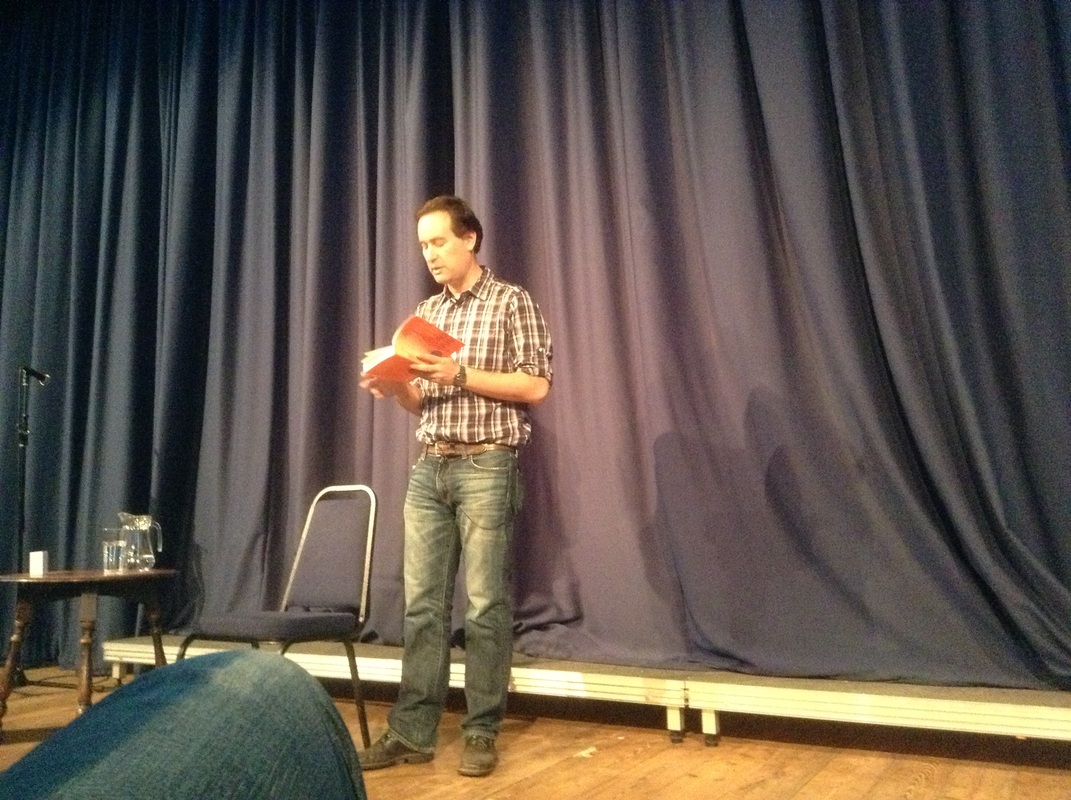
PictureClaire Armitstead and Neil Gaiman at RSL
The discussion revolved around Neil’s writing process, which included writing the story for his wife Amanda whilst she was busy recording her album. There was also talk of his ground breaking Sandman comics, writing for Dr Who (did you know that Daleks can't see red?) and his work on books for children like the upcoming middle grade novel, Fortunately, The Milk.

Neil also read an extract from the beginning of Ocean – the same chapter I had been able to read that morning. He discussed the mythology of Ocean and the dedication of his fans. It was an amazing event and I felt incredibly lucky to have been able to attend. 

As Neil headed to a wrap party before catching his flight back to the USA to begin his American tour, I headed home, with my mind truly blown. It was very hard to stop smiling.

Whilst the day was surreal and extraordinary, I still learnt a great deal from Sam about how to run a successful publicity campaign, and how to execute it on the road. Running on adrenaline for most of the day, it is vital to possess the ability to respond to the unexpected. Being friendly and talkative with the client is good, as well as knowing when to give them space and let them catch their breath between appearances. A printed schedule definitely helps to keep on top of the day, but things WILL change. Don’t panic. On the road you get to meet lots of people. The most important thing is to help the client feel as comfortable as possible during a high pressure day. And wear comfortable shoes! 

I had the most amazing time as an intern at Headline and would definitely recommend my fellow publishing students apply for their internship scheme. 

The Ocean at the End of the Lane is a gorgeous, dark reflection on the gaps in childhood memory, the hazy recollections and frightening truths that you never knew were hidden from you. A world where grown ups are powerful, scary and in charge. The fantastic flights of imagination that can turn shadows into monsters. And just what, exactly, is in the bucket?

Picture
Special Editions of The Ocean at the End of the Lane - and Neil's fountain pen.
1 Comment

My Month With Headline

23/6/2013

0 Comments

 
Picture
So this is it, the big one. Interning for Headline was an unexpected windfall opportunity, having made a fortuitous contact with publicist extraordinaire Samantha Eades at a Book House signing last December for Eowyn Ivey’s magical novel The Snow Child. Sending her my cover letter and CV, I was incredibly excited to be offered the chance to intern for the Headline Publicity department for an entire month.

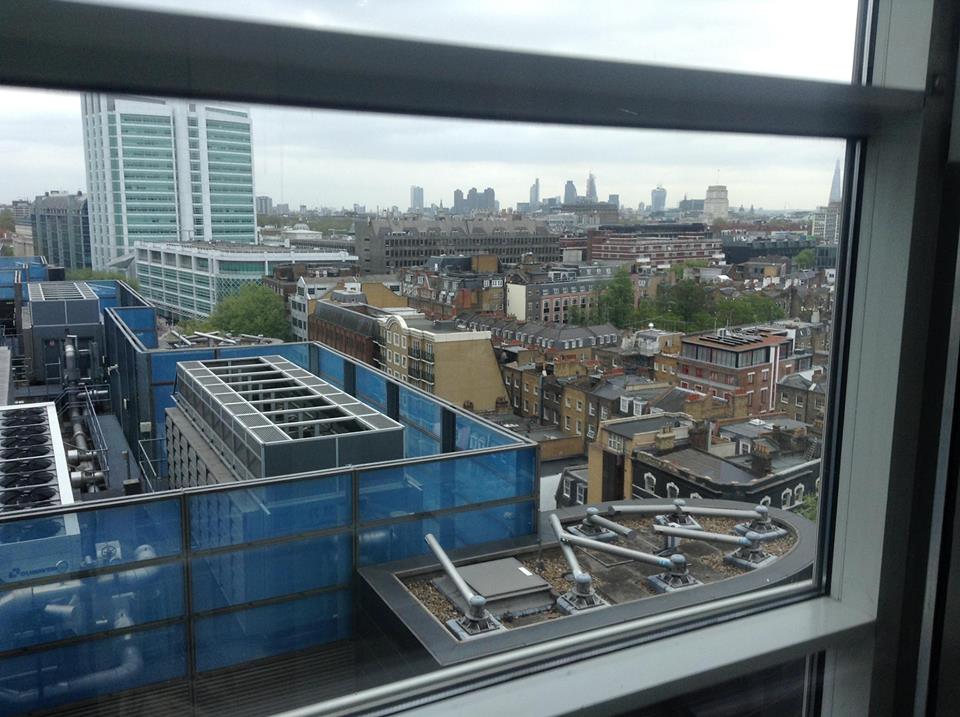
On my first day I was ushered up to the sixteenth floor of the Hachette building on Euston Road. Having spent the previous week at the beautiful but compact Hot Key Books office and my internship before that in a little three man office in Oxford, this big skyscraper of an office block was a bit of a shock. It had views! It had glass elevators with no buttons! Swanky.

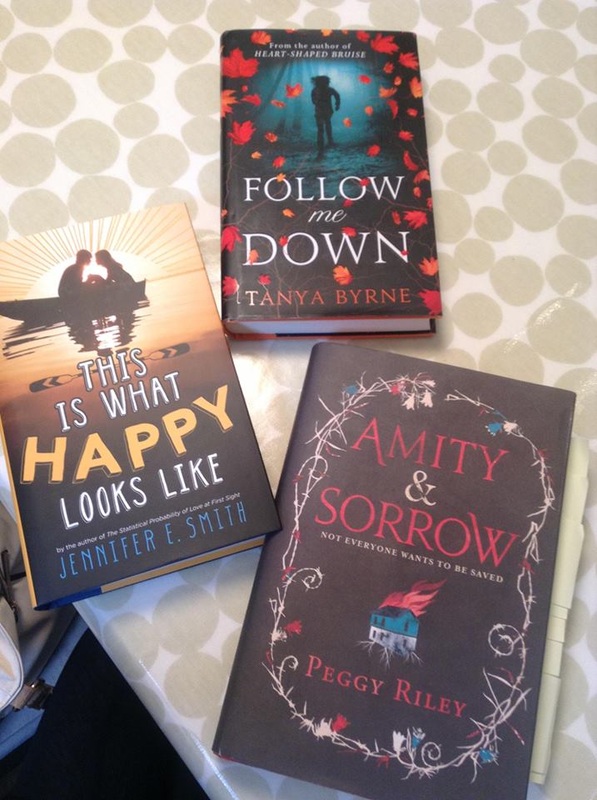
Along with a fellow intern, I was immediately thrown in at the deep end. Introduced to Publicity Director, Georgina Moore, we were then given a desk, a computer and an email account. OICPS alumni Elaine Egan distributed newspapers and it was time to read through the weekend articles and search for references to any Headline or Tinder Press books in the reviews. Helena Towers was working on a brilliant and far reaching campaign for The Yonahlossee Riding Camp for Girls that had a lot of media coverage, and there were some great mentions for Tanya Byrne’s Follow Me Down. These clippings were collated and scanned for a weekly round-up.

I was able to sit in on a board meeting with the MD to discuss upcoming titles for the season, a highly informative way of learning about how departments interrelate when coming up with effective campaigns. This suddenly made New Product Development make sense, watching everything come together.

As I was lucky enough (ha – who would have thought I’d be saying that?) to be taught InDesign in my first semester at Brookes, Caitlin Raynor gave me the task of designing a press release for Seven for a Secret by Lyndsay Faye. It was very nice to realise that I’d indeed learnt something beneficial in those classes, and to experiment and hone my design skills. These press releases were printed and folded alongside posting out books for review.  My hand soon got well acquainted with the particular ache of stapling 500 or so envelopes a day. Carrying the piles to the post room area was strangely satisfying. I also learnt to do other exciting things like convert Excel spreadsheets into printed labels, and track down editor addresses on Gorkana media coverage.

I was asked to read Peggy Riley’s Amity & Sorrow (a book of which I had picked up a proof from work, but had not yet read). It was incredibly powerful and affecting, a story that refuses to sugar coat, that uses language as an expository force. My task was to design a Pinterest board for Tinder Press, taking pictures and matching them with quotes from the book. Peggy responded very favourably to the board, which might have induced a little happy dance, and I was incredibly proud to work on it.

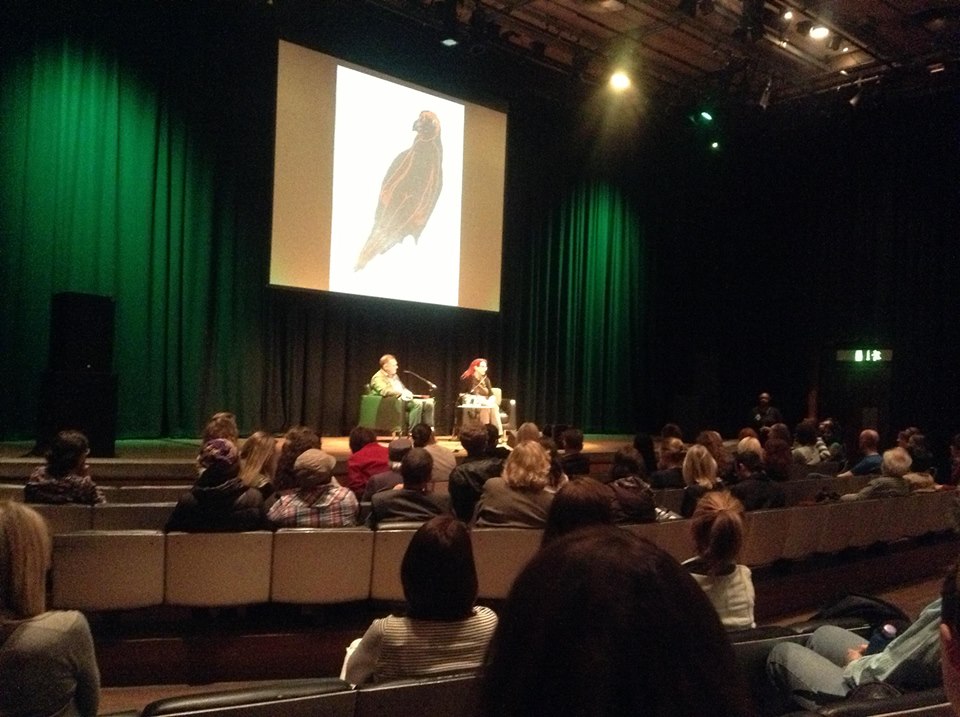
In my first two weeks I was lucky to meet the wonderful Sophie Lay, my fellow intern and partner in crime. Sophie’s positive and approachable manner meant that I was learning the ropes with a friend. She let me know about some amazing opportunities that were happening in London. Together we went to the Southbank Centre for London Literary Festival’s event with Audrey Niffenegger, my second time meeting the author. This time she was discussing her new illustrated fairy tale for adults, Raven Girl, which I reviewed for MuggleNet.

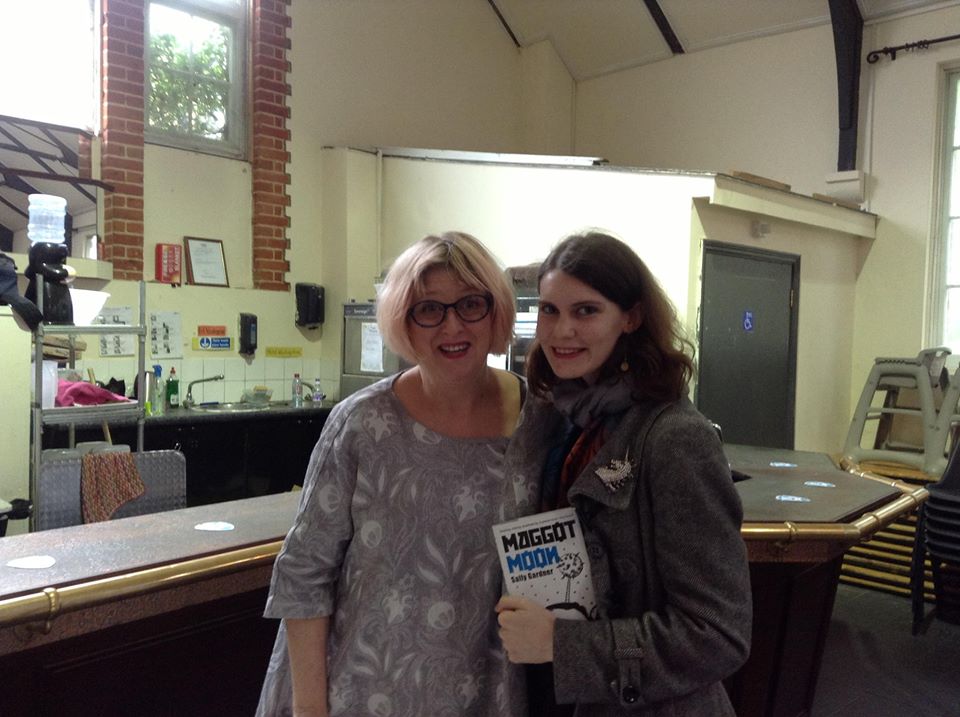
Sophie also told me all about Stoke Newington Literary Festival. We spent one sunny Saturday distributing programmes, and the following Sunday I was able to FINALLY see Sally Gardner speak at an event for her Costa and Carnegie award winning Maggot Moon. It was really nice to see so many people new to Sally’s work buying books and approaching her for the signing at the end, as well as catch up with Hot Key Books staff. With a free afternoon, I volunteered to help out with the festival and ended up with a ticket to see Caitlin Moran.

Back at Headline, Sophie created a Pinterest board for Silver Linings Playbook author Matthew Quick’s heart stopping new young adult novel, Forgive Me, Leonard Peacock. With a dark plot and plenty of references to film noir and Bogart and Bacall, the visual element was exciting to pin down. I took over completion of the board from Sophie when she left to go back to her full time job, although it felt a bit like looking after someone else’s baby. It was fun to see Matthew’s Little, Brown editor, Alvina Ling, follow the board, showing how internet promotion campaigns can reach across the pond!

We’d also been able to meet Mock the Week’s Hugh Dennis (aka Pete) who came in to sign stock of his book Britty, Britty, Bang Bang. It was interesting to see his editors, cover designer and so on get their copies signed. The following week we repeated the process of boxing up signed stock, this time for football manager, Neil Warnock. These signings coincided with press days, the authors being interview by newspaper and radio journalists. They also made great candidates to be interviewed by Ben Willis for a feature on the Headline website, Men Who Stare At Books.

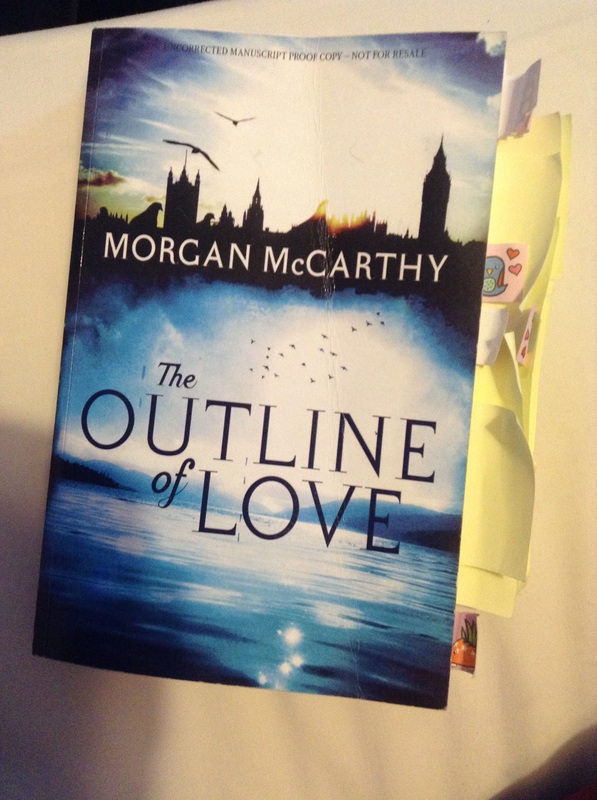
For the final two weeks I was joined by fellow OICPS student, Clara. Press Officer, Vero Norton gave us copies of The Outline of Love to read, another Tinder Press novel about love, obsession and celebrity. If anyone else has read it, I would be very interested to know who you think of when casting Leo Ford!

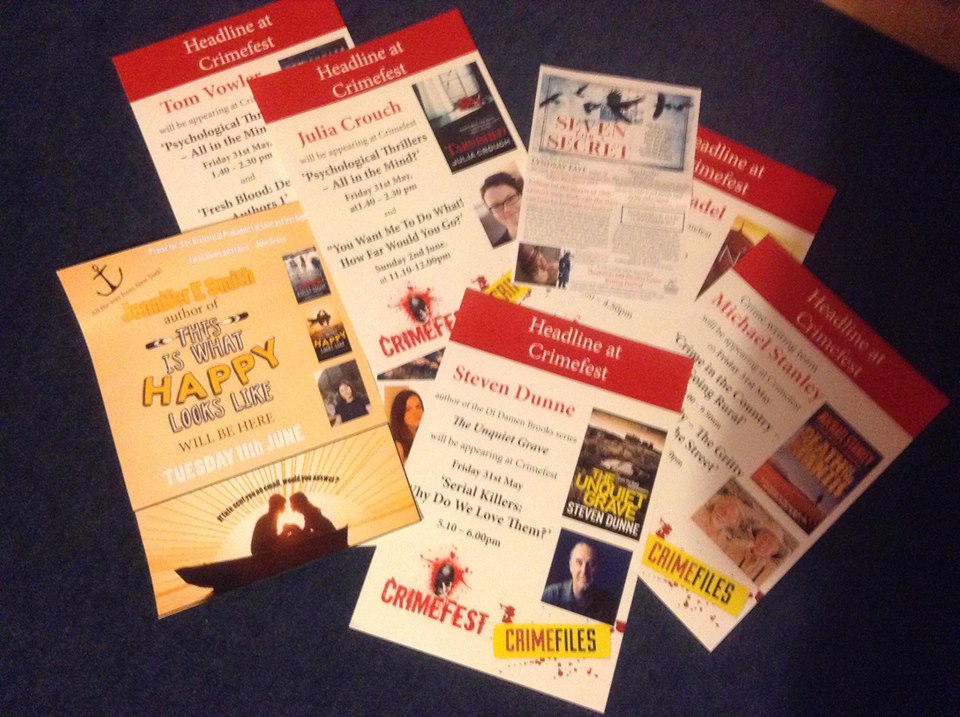
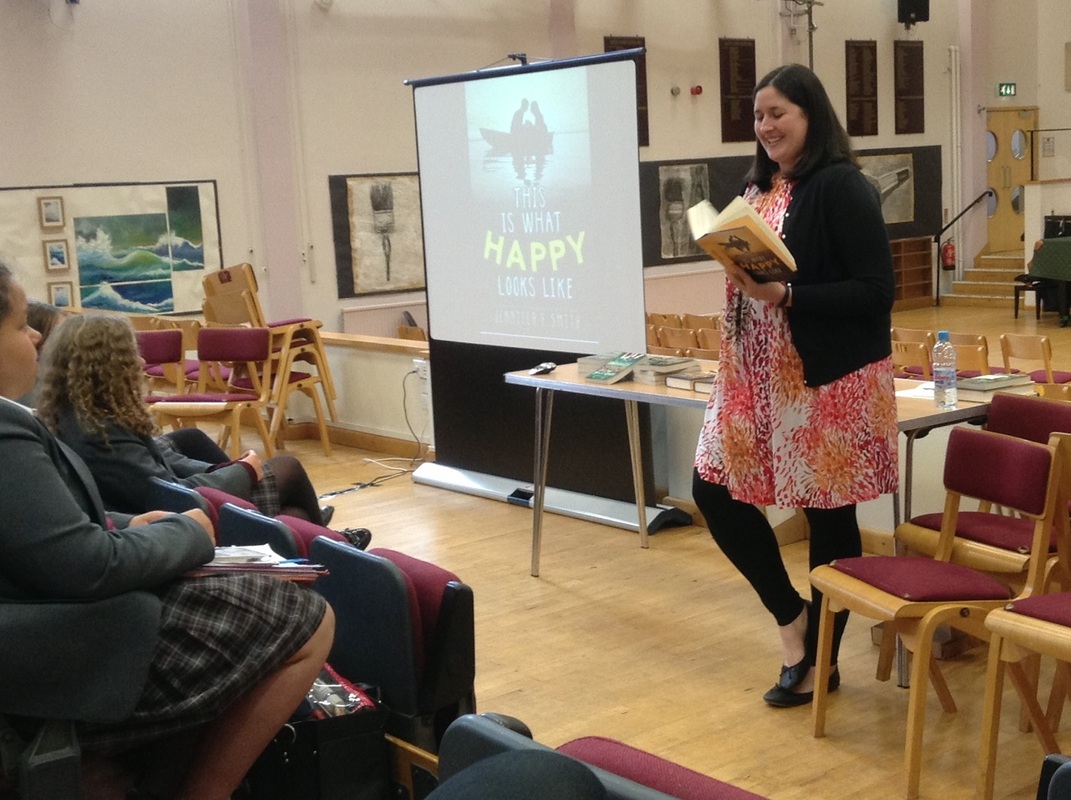
One of my tasks was to design posters and showcards, including some for Crimefest authors, some for Kate Humble’s new book, and a couple for a school visit from New York YA author Jennifer E. Smith to promote her new novel This Is What Happy Looks Like. (Which is NOT based on Justin Beiber, but might have a tiny hint of RPattz!) I’d heard of Jen’s books from a John Green video, and was very happy to act as publicity assistant on her trip to a nearby girls’ school. The girls had a great range of questions, and every single person bought one or both of the books. Jen’s first book, The Statistical Probability of Love at First Sight, is soon to be made into a movie, helmed by the director of Milk.

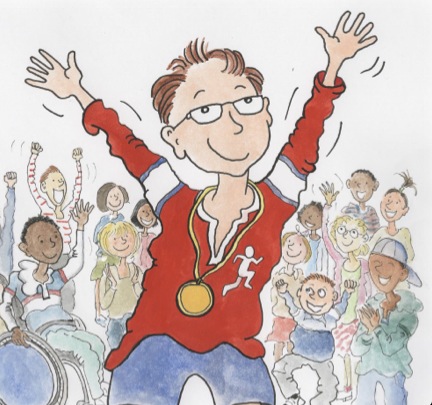
As this was all happening, I also got involved with a project run by Beth Cox. Together with Alexandra Strick, they run Inclusive Minds, which aims to promote equality in children’s literature. Beth asked me to help with proofreading papers for the ‘Diversity, Inclusion and Equality’ edition of Write4Children. I have also joined Inclusive Minds as a content collaborator for the website, reviewing books and reporting on news items such as the launch party for Alex Strick’s Max the Champion.

For the entire month, there were many excited whisperings about The Ocean at the End of the Lane, the new novel by Neil Gaiman. Sam received many requests for interview copies, so my task was often posting out copies for review (being very careful to peel off the ‘book at bedtime’ stickers from each copy until it was announced) and including the press release.

So my final official day was spent with Clara, flapping 1200 books ready to be signed.

And then the thing that deserves a blog post all of its own happened.

GAIMAN DAY.


0 Comments

My Week With Hot Key Books

25/5/2013

4 Comments

 
Picture
I have officially finished taught classes at OICPS and moved to London (for five weeks) to leap once again into the world of publishing. Week one: a sales and marketing internship with Hot Key Books. I was offered the internship back in December, first approaching Sarah Benton, head of marketing, through Twitter, and then following up by emailing my covering letter and C.V. to them. I had met Sarah again whilst volunteering at London Book Fair, and was amazed to realise that yes, my ridiculously dedicated *ahem* use of Twitter to keep up with book news was genuinely beneficial. Hot Key Books run an internship scheme around the year, giving individuals interested in working in publishing the chance to train with them, and working with Creative Access and Lift and Platform to further outreach.  

To afford the trip I’m staying with my uncle, aunt, cousins and a large golden retriever called Ruby, as they graciously offered me their spare room for the duration of my work placements, with Hot Key Books providing travel expenses cover of £35. My journey to work is just a quick hop on the Northern line and a walk down the road to Hot Key’s office. I settled in to a café around the corner early each morning for a cappuccino and the chance to read.

The Hot Key office is in a lovely converted building, with open plan floors and shelves full of beautiful books. You get a real sense of the exciting energy that the young publishing house has to offer. If you have been following my blog for a while you already know that I’m pretty much head over heels for their wonderful list of middle grade and teen titles, so I was positively floating to be working for them. I was greeted on Monday morning by Naomi Colthurst, editorial assistant. She introduced me to everyone and set me to work reading manuscripts (I can’t tell you what I’m afraid!) to the musical accompaniment of David Bowie’s Space Oddity beaming down from space courtesy of Chris Hadfield.

The most incredible thing about being an intern, aside from the chance to put all those skills you’ve stacked up over the year to use at last, is the chance to observe how things are done out in the real world. Every publishing house is unique. Seeing how each department interacts with each other at Hot Key Books reinforced the feeling that this is a publishing house that works as a team, sharing ideas to create the best books they possibly can offer. Collaboration, imagination and innovation are the keys to success.

I saw the culmination of Fleur Hitchcock's Story Adventure, a term long project of interactive online creative writing with primary school children, as it came to an end ready for the final book to be put together. 

On Wednesday it was publication day (book birthday) for Natalie Whipple’s Transparent about a world where high school superpowers are the norm. This meant that there was much fun to be had watching the tweets roll in from people (and dogs) in various states of invisibility. The marketing department embraced the theme, with Livs Mead dressing up a coat rack and flying headphones held by totally not visible hands, Sarah Benton opening filing cabinets out of sight, and Cait Davies working on emails with eyes in the back of her head. Hot Key really understand that the best way to promote their titles is to revel in the fun. Books, after all, are a source of entertainment.

I was lucky enough on Thursday to meet Debbie McCune, author of Death & Co., after a successful day of reading and workshops with schools. I’d spent some time the previous day reading her book, a brilliant novel about a boy who inherits the role of teen grim reaper from his family. Great for fans of Supernatural, Dead Like Me, and Grimm! My task was to locate character descriptions for an illustrator’s competition run by Movella. Find out more (and the character quotations!) here.

I also spent the week reading and analysing Friday Brown by Vikki Wakefield. This book was originally published in Australia, and will be published in the UK on the 4th July. Proofs are making their way around to bookshops and bloggers. I will be reviewing it for MuggleNet a little closer to the launch date, but for now I shall say that it is a truly remarkable book, thought provoking, brave, bold and emotional. The twists and turns make you question ideas and beliefs you hold, challenging perceptions and the power of truth versus fiction. I challenge you not to fall in love with the character of Silence. If you’ve read Red Ink or Maggot Moon, then definitely pick up Friday Brown, as it offers another breath taking literary journey. 

The quality of their titles can be seen today, with both Sally Gardner’s Maggot Moon and Lydia Syson’s A World Between Us longlisted in the nominations for the Guardians’ Children’s Prize 2013.

My week with Hot Key Books was a whirlwind of tasks and triumphs, and discovering that, yes, I am really very interested in pursuing a career in publishing and marketing/publicity. I was allowed to read, practice copy-editing, and research. If I could have I would have stayed for as long as they'd have me. But the week flew by, and for now I am off to internship number two, a month with Headline Publishing Group. 

Thank you, Hot Key, for letting me come and watch you guys in action! And I cannot wait to read these great proofs and new releases. First up is Transparent.


Picture
Hot Key Books!
Picture
Coffee is important!
4 Comments

Zipes, Rosen and the Brothers Grimm

5/5/2013

0 Comments

 
Picture
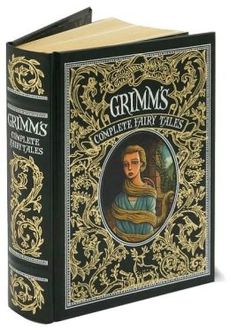
The Barnes and Noble Brother's Grimm
In my first year of undergraduate studies at the University of Kent, my favourite module by a mile was a wonderful year long course entitled ‘The Tale.’ This was the history of fairy tales, starting from the oral folk tradition of myths and legends across the globe, to the French courts of King Louis XIV and the ballroom glamour of Charles Perrault, to the gritty collection of the Brothers Grimm and on to Angela Carter.  The papers I turned in throughout the course were heavily influenced by the critical thinking of Jack Zipes.

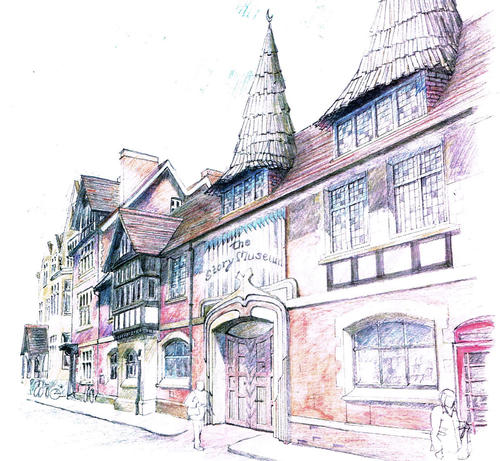
So when I received an email saying that Oxford’s Story Museum would be holding an event in just a few weeks with the incredible Michael Rosen and none other than Professor Jack Zipes, I flailed. Shouted for Mum (who first introduced me to fairytales after all). Flapped a bit. And excitedly booked my ticket. The queue, when I arrived on Friday 29th April, was stretched around the street.

The Story Museum are running a series of events called ‘1001 Stories’, a Scheherezade (which I just spelled correctly on my first attempt, go me!) experience with experts from around the world. 


‘The Story Museum exists to celebrate children's stories and to share enjoyable ways for young people to learn through stories as they grow.’  I love this mission statement. However perhaps this particular talk should have come with a warning label for little children, as one little girl and her mother hurriedly scurried away upon realising that the true tales of the Brothers Grimm are not quite the tales from Orchard or Usborne. 

Jack Zipes is a published author, translator of Grimms fairy tales, Professor at the University of Minnesota, and a story teller in an array of state schools. He believes that fairy tales weave narratives into daily existence, bound into cultural traditions that deal with basic human problems. They are basic stories that deal with every day existence and they are necessary because life is hard.

Fairy tales, says Zipes, give us hope that we can resolve conflict. 

Mr Rosen led a lively discussion exploring Mr Zipes' expert opinion on all things Grimm.

These tales aren’t the animated glitz of Walt Disney. Red Riding Hood, as many are aware, is about the rape of a young girl. Emanating from patriarchal traditions, the girl is shown to have brought the rape upon herself by not adhering to the rules. According to Zipes, many story tellers try to pretty it up. In the Perrault version she is gobbled up. The message seems to be that little girls who invite wolves into their parlours deserve what they get. Great storytellers change this narrative to reflect a different perspective, what Zipes calls the anti-red riding hood. It is his belief that publishers stupidly publish tales that put the onus on the little girl. Angela Carter’s The Company of Wolves gives tales such as these a feminist spin and reclaims them without sugar coating.

The talk turned to recent television shows from the US such as Once Upon A Time and Grimm that Zipes believes lazily recreate the tales without artistic vision. He believes that writers should take the Grimm brothers seriously and explore all the tales, not just the famous and familiar. We asked Mr. Zipes why he believed retellings such as these were so popular now? He responded that magical narratives involve spectacle, and digital film making lends to magic. Even, he grinned, with awful films like Witch Hunters. He also noted that with films and shows like these the evil is in the hands of a woman, and that Hollywood is involved in a strange backlash against feminism that has been occuring from 1980s to today. Furthermore he says that with the recession and suffering in society, fairy tale films with saccharine plots or needless special effects are diverting. He worries that shows and movies such as Mirror, Mirror dumb down the tales until they no longer reflect their true purpose. Authors and publishers should aim to produce artful tales that Western cinema overlooks. This discussion is explored more thoroughly in Mr. Zipes book Enchanted Screens. 

My sister and I are watching Once Upon A Time, and whilst I agree that some plots are replicated and mishandled, that stereotypes prevail, I do think that the narrative is handled with more care and intricacy than some of its comparisons here.

Zipes is currently working to translate the original collection of Grimms tales, first published between 1812-1815. There were seven different original editions compiled by the brothers. The last editon was published in 1857. The most well known version was published between 1826-58, a smaller collection of just fifty tales.

In Zipes' opinion, the 1812 edition is the closest to oral tradition. These were brutal honest reflections of rural life, for example  How Children Play with Slaughtering in which young friends decide to play act a butchery. ‘I'll be the pig, you be the butcher, and the girl collects blood in pot.’ The ‘pig’ is offered a choice, apple or knife, and the tale ends in an execution. Many of these tales explored death. Another featured brothers again play acting butchery whilst a mother watches on from a window. Appalled she leaves behind her baby, who dies whilst she punishes her son. Torn apart by grief, she commits suicide. These huge themes of family loss told in a blunt unique style are certainly not magical. They maintain German Nordic tradition, which includes very few fairies. The moral to the story is that two older brothers WILL try to kill you.

The erudite brothers were writing in their early twenties. Wilhelm Grimm (the younger brother) acted as editor between the editions, adding in Christian elements and in tales like Hansel and Gretal going so far as to change family connections to create a more nuclear bourgeois setting. The book became more literary, with changed style and key motifs.  Zipes believes that Wilhelm was doing what good storytellers do, and embellishing. However it caused much debate between the brothers, with Jacob the elder preferring the printed originals of the first edition. Wilhelm wanted it to appeal to masses.

The first two volumes were not intended for children. They included no drawings and looked like the rough first edition. They didn't sell well. Jacob allowed Wilhelm to make changes within the tales after receiving criticism. And the Grimm policy to keep strictly to the oral tales in written form changed in 1823 after receiving Edgar Taylor's popular stories. These were illustrated by George Cruikshank, had a sense of humour and were sold as a book for children. It did so well that it got two editions more printed in same year. So Grimm did the same, picking hopeful tales in a smaller volume for children, which his brother Ludwig illustrated.

In England this translation was the only one available until the 1850s. The English had no idea what the full book was like in the 19th century. Most English households are still unaware of what the ‘real’ tales are like, familiar with the many rewrites and censored editions. Puffin have published three different editions of Grimm for children, a hardback and two smaller paperbacks, but using Taylor's tales, not Grimms! They are able to make profit from Cruikshank’s illustrations and stories that are in the public domain.

Zipes' theory  is that the brothers felt by this point that they knew oral tradition, and understood the essence of storytelling. Therefore above all else they wanted the tales to resonate with readers. They also wanted to leave their own legacy.

In some examples of changes made, the Snow White of the 1812 edition was originally more like Carter's Snow Child in The Bloody Chamber, the girl abandoned by her father and jealous mother on side of road. In another edition ‘Mirror’ was the name of a dog, with the queen calling ‘mirror mirror!’, and the dog speaks back. There was no major role for the prince in these tales, they were not romance. The Grimms purposefully changed the status of the mother from biological to a step mother, for the sanctity of their Christian beliefs regarding the Holy Mother.

When asked for recommendations for fairy tales with strong female characters that did not resort to masculinisation of females in order to make them appear less 'weak', Zipes suggested Angela Carter’s anthology. But he also noted that some of the original tales from the Grimm brothers were supportive of strong women, for example the tale of the clever farmer’s daughter.  Clare Keegan’s Irish stories offer folk examples where women control the choosing of their husbands.

During the question and answer session at the end of the talk, Mr Rosen opened up the discussion to the floor. My teacher at Oxford Brookes, Sally Hughes, asked how the books were received by readers at the time. Zipes explained that it was not until 1840-50s that the tales took off. Hans Christian Andersen was much more popular. But the Grimm brothers became part of the school curriculum in the 1870s, when the German nation united. Bourgeois families recognised that the original tales were not quite child friendly, but once accepted by the schools the smaller edition leaked back into family homes. Single tales also appeared in ‘chap’ books. These short narratives were chunkable, and publishers could take advantage of publishing one at a time. To aid in this practice, Wilhelm added proverbs and changed phrasing adding greater historical depth such as passages from the Luther bible.

The Story Museum is part of the Happy Museum project, hoping to build an arc of stories, from all times and places. As well as their dramatised 1001 stories series, they ask visitors to leave behind a book recommendation on paper stars to add to their collection of narratives. I chose Malindo Lo’s young adult retelling of Cinderella, Ash, to add to archive as I think Mr. Zipes would approve of the critical thinking and narrative intent behind the story.

The next event run by Story Museum is with author Kevin Crossley-Holland on 10th July discussing Norse Mythology. 

0 Comments

Volunteering at London Book Fair

19/4/2013

1 Comment

 
Picture
London Book Fair 2013
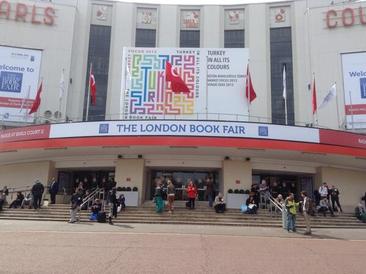
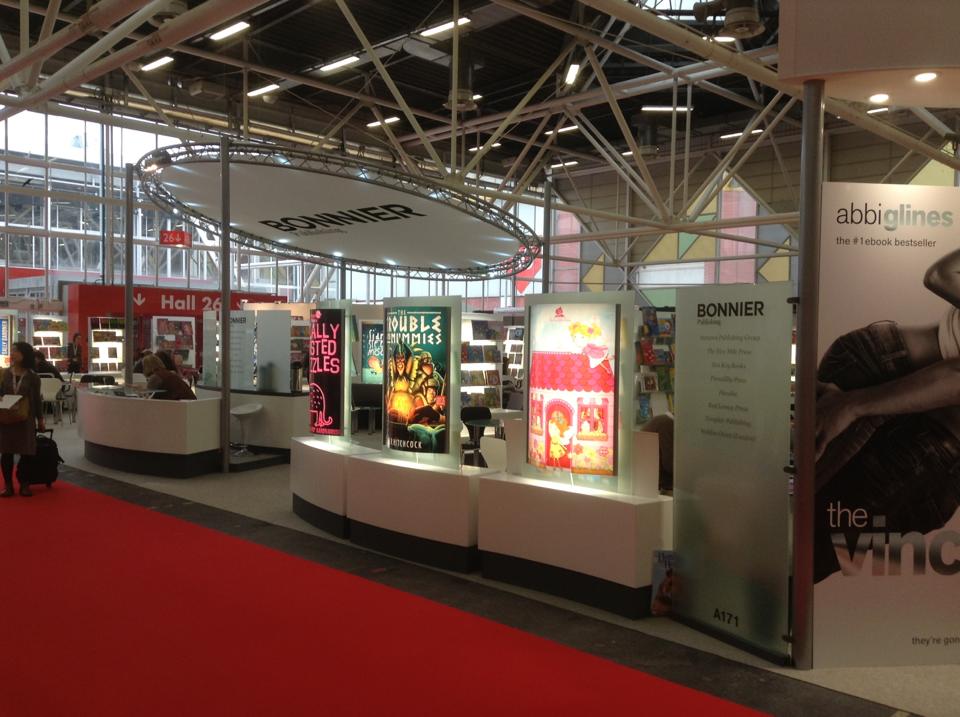
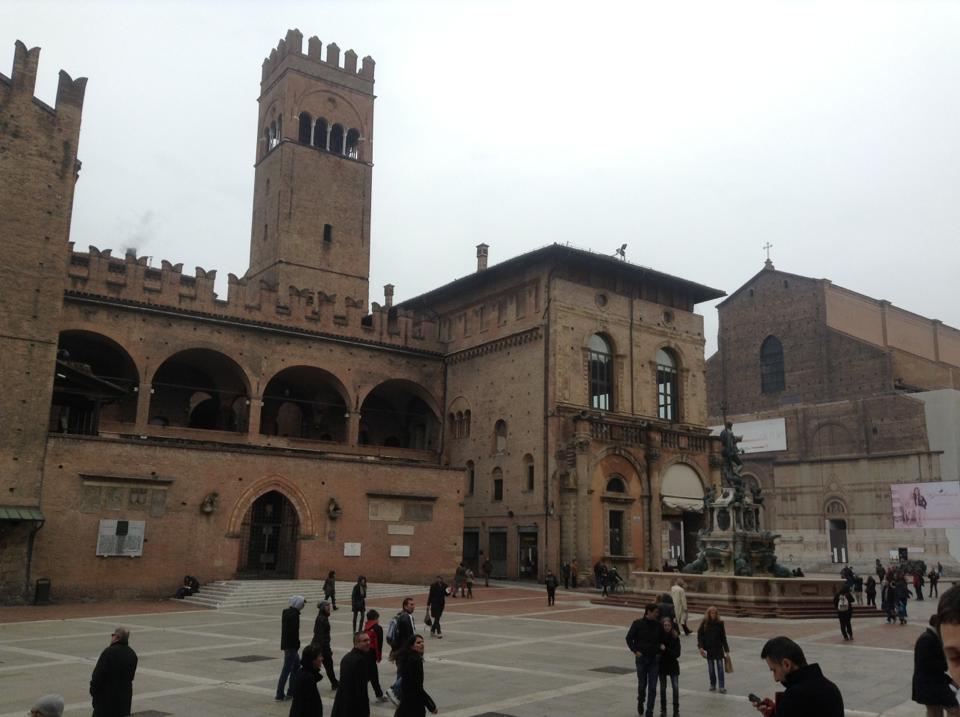
After spending a week sightseeing in Italy, the sun shone more for London Book Fair than Bologna.The venue at Earl’s Court was buzzing with digital news, publishing plans and author events. Kobo adverts spread across the building in banners and the HarperCollins, Bonnier, Penguin and Random House stands prominently displayed their new titles. Whilst Bologna felt more personal, thousands of stands pressed close together in halls filled with friends and professionals discussing business for 2013-14.

Volunteering on Tuesday provided the perfect opportunity to sit in on a series of talks and learn about the current publishing climate. My duties for the day ranged from answering queries from the attendants, providing water for the speakers and greeting them to the room, and acting as microphone runner during Q&A sessions. 

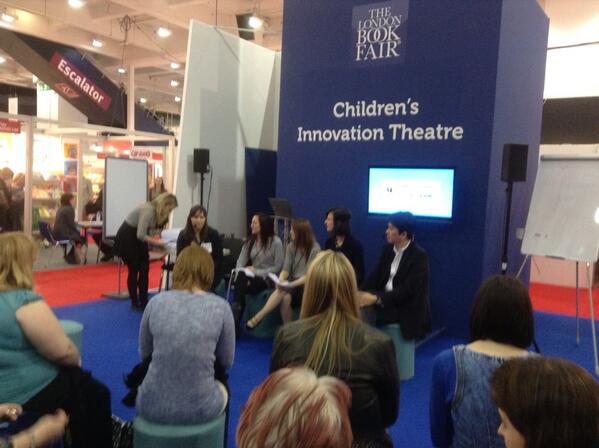
I was situated in the Old Press Office with the Children's seminars which means I have a lot of exciting things to blog about! 

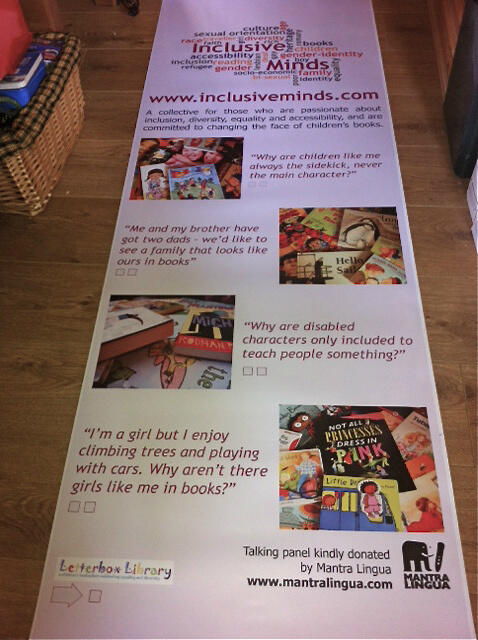
The first talk I was asked to help out with was the Booktrust Equal Measures panel, discussing inclusion and diversity in books for Children and Young Adults. Having attended the LGBT YA talk in February and then been lucky enough to have Beth Cox from Inclusive Minds come to talk to the Children’s Publishing class at Brookes, I was particularly excited to listen to what the panel had to say. The talk was introduced by Alexandra Strick who demonstrated the brilliant talking pen poster for Inclusive Minds. This gave voice to children’s experiences of seeing themselves represented in fiction and books. “Why are children like me always the sidekick and never the main character?”

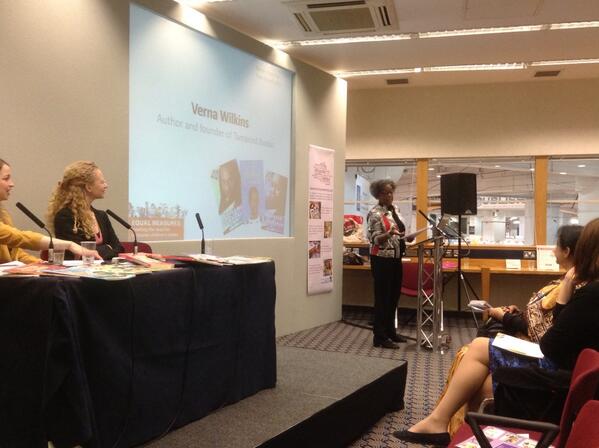
The incredible Verna Wilkins delivered her key note speech, and gave the audience a short history of Tamarind Books, the publishing house she established to give black children like her son images of themselves in stories. Her message was that if you want to change something, you can, just be proactive and prepare to fight for your voice to be heard. Good teachers recognise that education is a widening of experiences so Tamarind books sold well in schools. And in response to booksellers saying that their customers didn’t look like her characters, Verna’s son recognised that her response was going to be “You got a lot of Gruffalos around here?” and promptly distracted her. Beth pointed out that the best kind of inclusion is incidental, not making a statement for the sake of “issues” or ticking off a box, but simply representing the world as it is. All children need to see diversity in books to provide a true representation of the world and learn to be open minded. Fen Coles from Letterbox Library listed some gaps in the current publishing landscape for inclusion: books representing transgender characters, diverse socioeconomic backgrounds, children with mental health issues and disabilities, and more. She posed the challenge of writing material that excluded use of gender pronouns full stop and simply explored children living their lives and pursuing their interests as individuals. She also warned against the perpetuation of harmful stereotypes for example villains portrayed as scarred. 

PHD student Erica Gillingham researches LGBT* inclusive books and says that yes books are out there, despite the lack of awareness for mainstream business. She pointed out that when it comes to love and romance for LGBT* characters, the US is leaps and bounds ahead of the UK (as was discussed during the LGBT* YA panel in February) and that even then the majority of characters were cis!male white teens in America. The B and the T in the umbrella need a lot more exploration. She recommended Malinda Lo’s science fiction YA novel Adaptation for an excellent representation of a bisexuality, but could only name four trans* books for the young adult market. I've just finished reading LR Lam's YA novel Pantomime which features an intersex character and fluid sexuality, with a futuristic fantasy setting and scenes of circus life.

The key advice for the industry was “Be brave, little things make a difference, avoid negative stereotypes, think about language and be inclusive.”

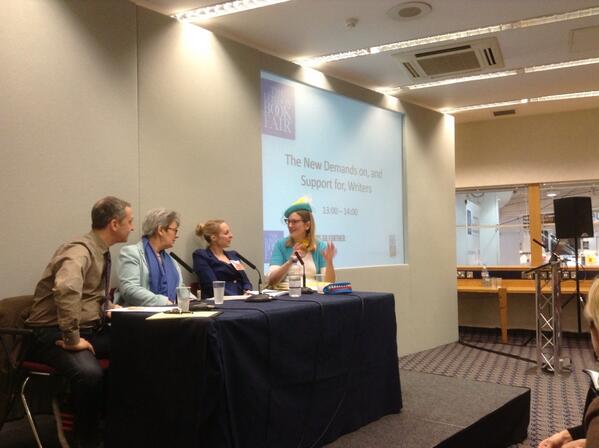
The ‘New Demands On, and Support For, Writers’ panel chaired by author Justin Somper, featured many of the buzz words of LBF13. Author Sarah McIntyre (jabberwocks) championed blogging as a means of networking by building an author brand. She also discussed supportive initiatives such as SCWBI and Society of Authors to hone skills. Curtis Brown Literary Agent Stephanie Thwaites and Bookbrunch journalist Liz Thompson discussed the merits and pitfalls of writing courses. Although much of the audience seemed to appreciate the feeling of companionship and the advice offered, Liz warned that research is vital to finding suitable courses that provide reasonable advice. Sarah McIntyre suggested a compromise, requesting chunkable courses that focus on improving key areas such as social media writing and management. This would help publishers and authors manage the demands on writers to become brand names, generating their own PR and participating on the festival circuit. Another suggestion came from the audience who suggested booksellers are often happy to run events with authors not present if they are later contactable for feedback or competition judges for individuals.

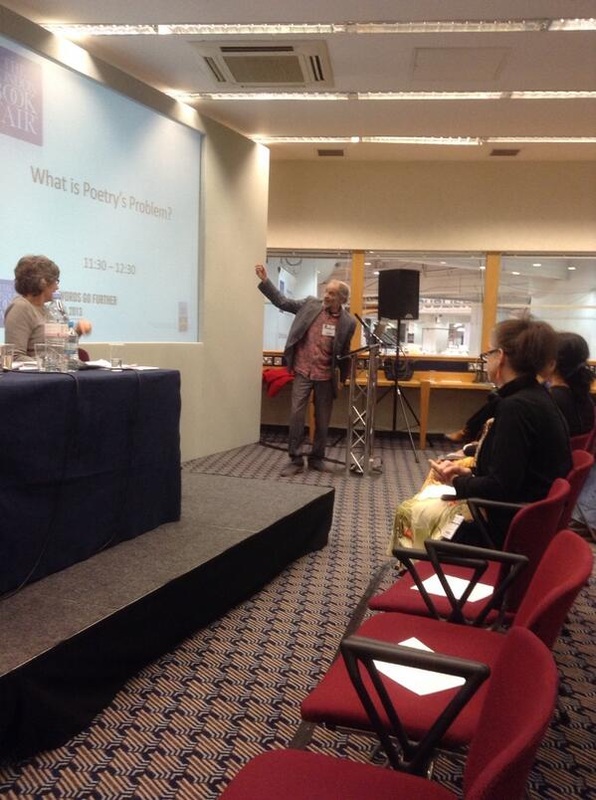
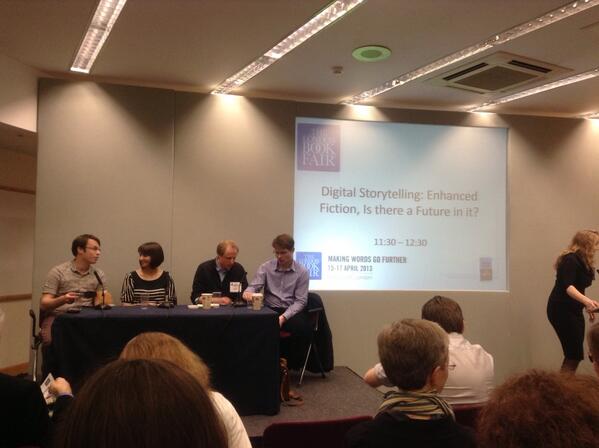
In the panel discussing “What’s Poetry’s Problem?” the speakers suggested that digital routes such as YouTube and twitter provided an excellent route for engaging young readers in poetry as spoken performance. They noted that children love poetry and rhyme (The Gruffalo is in rhyme after all) and that it is parents and teachers who are uncertain and lack confidence in teaching the material, perhaps because Key Stage 3 poetry encourages writing and reading, whereas GCSE poetry becomes heavily analytical. Penguin have launched a Poetry by Heart app which gives an audio visual experience. This was also referred to during the digistories panel about enhanced books. PenguinUSA’s poetry app has received much fever after its recent release, making learning interactive. However drawbacks include the trouble with free apps with monetized stages embedded within, and the controversies surrounding hidden costs after point of purchase. The panel agreed that there is indeed a future in enhanced fiction, but the work at the moment is a constantly evolving process with kinks still to be worked out on a trial and error basis. Fellow OICPS student, Judith Paskin, has been researching the books/ebooks/apps popularity among children in the Oxfordshire area. Her research shows that older children are more jaded about the gadgets and need more enticing to consider them stories. But that they are more likely to choose their own books with the anonymity of online buying (parents credit card access aside!) The most important thing for publishers to do is ensure that interactivity is right, that digital isn't just a distraction from the flow of reading. A sentiment shared by the publishers on the panel.

Digital received a huge buzz throughout the fair, from the opening conference talk with Neil Gaiman asking publishers to take risks and think big and fail better, to smaller projects such as the Random House initiative sourcing teen authors in their Movellas competition. The final talk in the Old Press Office discussed the future of enhanced fiction. Sarah Benton demonstrated the utility of Sally Gardner’s Maggot Moon iBook which provides video and sound insight into the mind of a dyslexic reader as well as factual research surrounding the narrative. Hot Key Books have also been involved in an on-going online writing project Story Adventure for young children, in which they collaborate with author Fleur Hitchcock to write the sequel to her fiction book Shrunk!. Gaming developers suggested the epic world building around fantasy novels provided the most exciting opportunity for the end users, authors and gamers alike. The most important factor to separate gaming from publishing books was the involvement of authors and a clear narrative. Publishers are experts in story and need to bring those skills to the table when collaborating with the technical departments.

In all the experience of volunteering at London Book Fair was extremely beneficial. I met many industry insiders, was able to discuss areas of interest, research New Product Development by observing companies operate. Most of all it was fun and rewarding experience. Maybe next year I will get to attend as a professional publisher, rather than bookseller and student!

I shall be writing a follow up blog in the next few days on the two New Adult panels I attended, with author Abbi Glines, Liz Bankes and Tanya Byrne, so keep an eye out for "New Adult and YA and Steamies, oh my!" and in the meantime here's a sneak peek featured on the Oxford Brookes Publishing site.


1 Comment

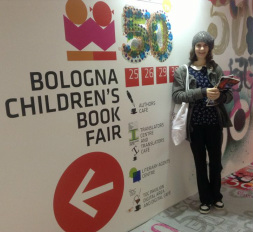
Bologna Children’s Book Fair 2013: Part One

31/3/2013

0 Comments

 
Picture
When I was fourteen I read Mary Hoffman’s Stravaganza: City of Masks, a young adult novel set both in contemporary England and in an alternate Venice 500 years in the past. Reading that book whilst on a family holiday captured my imagination and sparked my love of Venice. It made me want to learn Italian so I could revisit the city during my gap year, and eventually live there to study at Ca’ Foscari and Venice International University during my BA Erasmus year.

Why am I talking about Venice, when myself and my peers at OICPS have recently visited Bologna for the international rights fair?

Because as an introduction to the event Brookes had arranged by complete coincidence for us to meet the author of Stravaganza! What a dream come true.

I’d expressed my happiness at the coincidence on twitter the week before, and Mary responded in turn to say how happy she was that a reader of her books would be at the meeting. In a strange coincidence she was due to meet with Laura Tosi after her jaunt at Bologna, a lady whose lecture I had attended whilst studying in Venice.

Meeting with myself, Laura and Judith in the comfortable business lounge (complete with squishy seats!) Mary Hoffman set the scene and gave us insight into this year at the fair. We discussed her findings and our own. In conversation with The Bookseller, she’d noted that picture books were on the rise. The illustrator presence at the fair was huge, with walls of example pictures and cards coating the lounge, and engaging talks with some key players. There was Big Picture Press a new sister imprint of Templar. Scholastic had a great title, The Snatcha Book in which a little creature snatches away bedtime stories for company. Emily Gravett had a promising next offering, Little Mouse’s Big Book of Beasts. In my wandering I also stumbled upon David Fickling Book's gorgeous cover for Very Little Red Riding Hood by Heapy and Heap at the Random House stand. And Salariya had reissued a childhood classic in Old Bear that had many of us feeling nostalgia pangs.

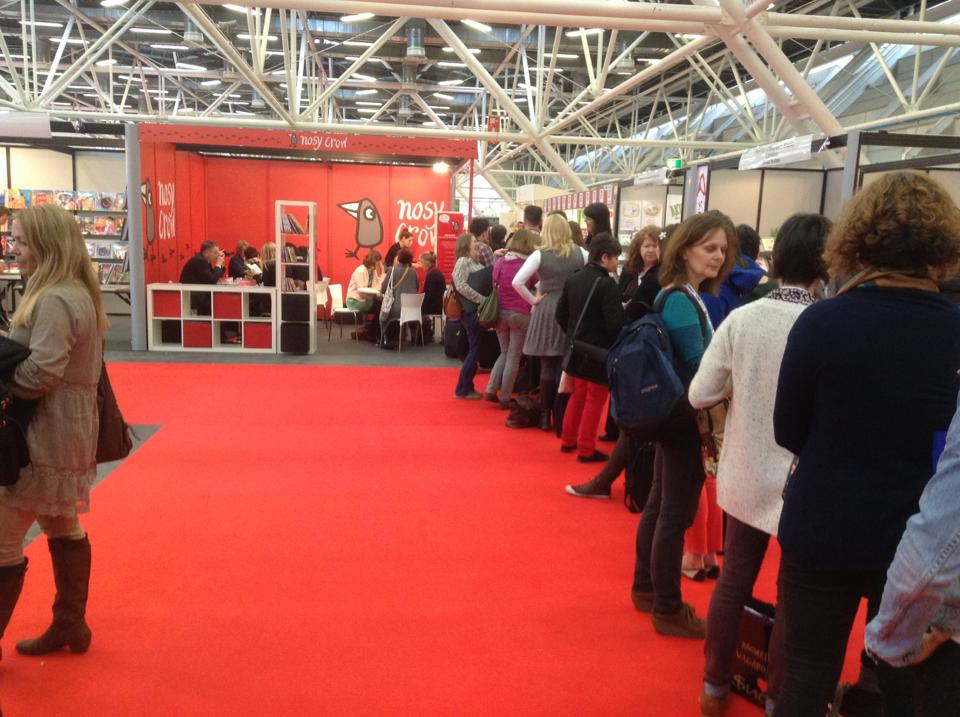
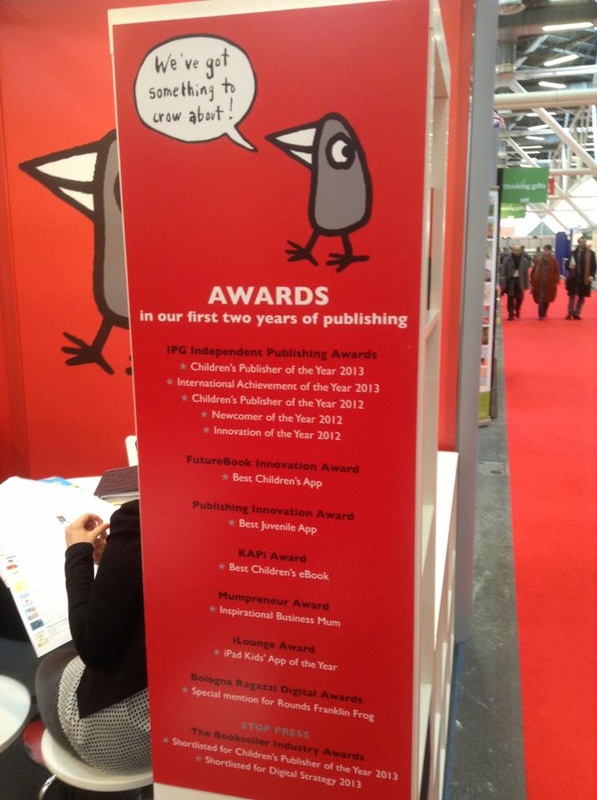
One of the biggest draws of the fair was Nosy Crow's stand, their bright red display proudly boasting the numerous awards they have scooped up in recent years particularly for their ahead of the times digital content and apps for younger readers. When we walked past them the queue was building up the aisle for the chance to talk to their team. 

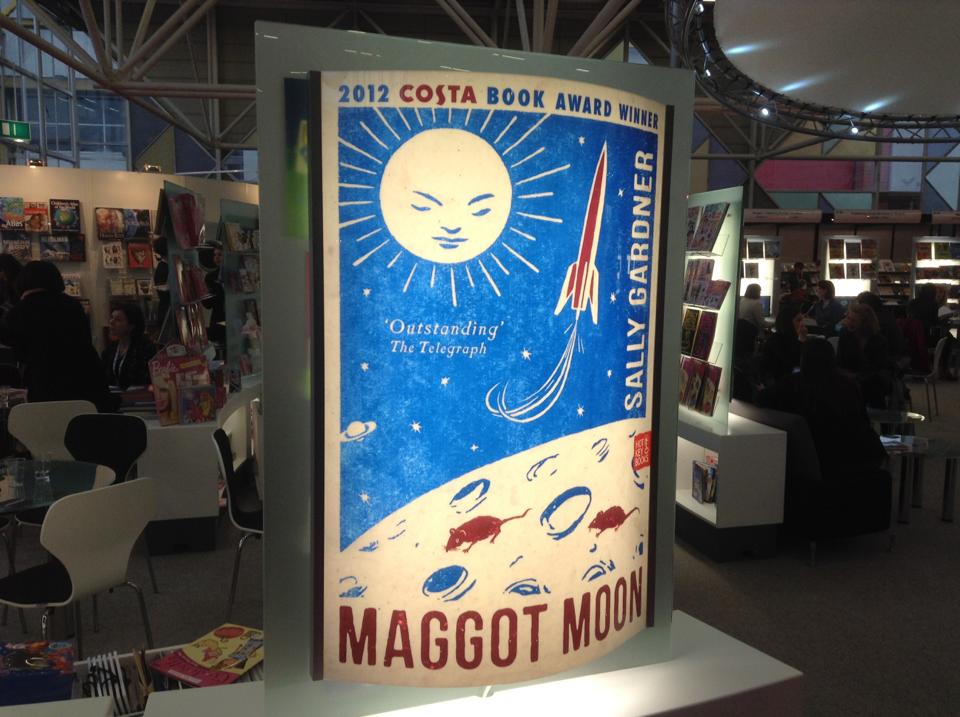
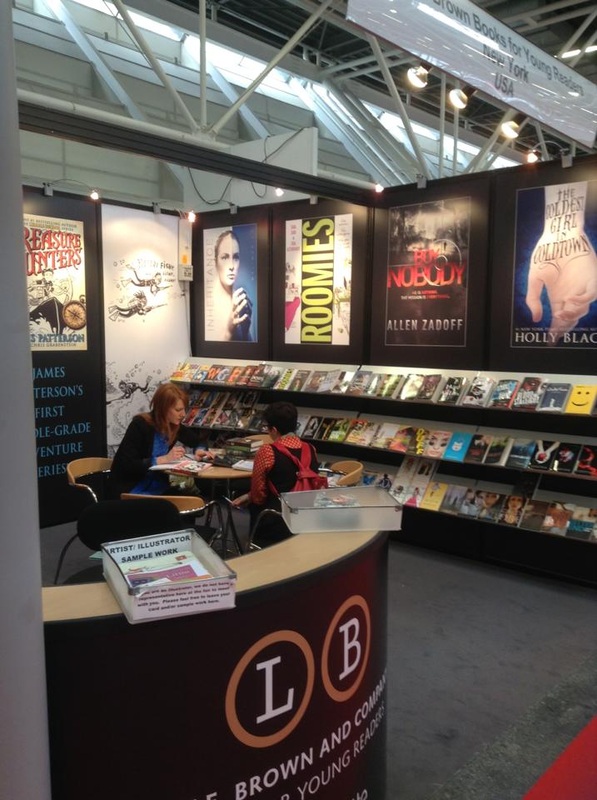
There was likewise some buzz for several young adult authors, S.R. Johannes’ wilderness thriller Untraceable offering contemporary realism and romance, Walker Books’ Neverending a sinister new romance, and a lot of interest in Hot Key Books list which is expanding from 9 titles published in 2012 to 50 in 2013. They saw success with the crossover appeal of Maggot Moon, creating an adult cover for a new edition, and generated buzz over titles such as The Blue Lady with eye catching cover art adorning wall sized posters. David Fickling Books YA forensic science meets magic book Spellbinder gained a lot of word of mouth and rumours of film interest. US publisher Little Brown still proudly displayed a range of YA supernatural titles like Malinda Lo’s Inheritance and Holly Black’s The Coldest Girl in Cold Town - described as the vampire book you didn’t know you still needed to read. However there was a definite moving away from the previous years' obsession with Young Adult dystopian trilogies. 

Barrington Stoke’s rebranded list of dyslexia friendly titles has captured the attention of high profile authors including Michael Morpurgo, Gillian Cross, Malorie Blackmam, Eoin Colfer and more. Their squirrel logo and slogan ‘cracking reading’ gives the publishing house a more approachable feel.

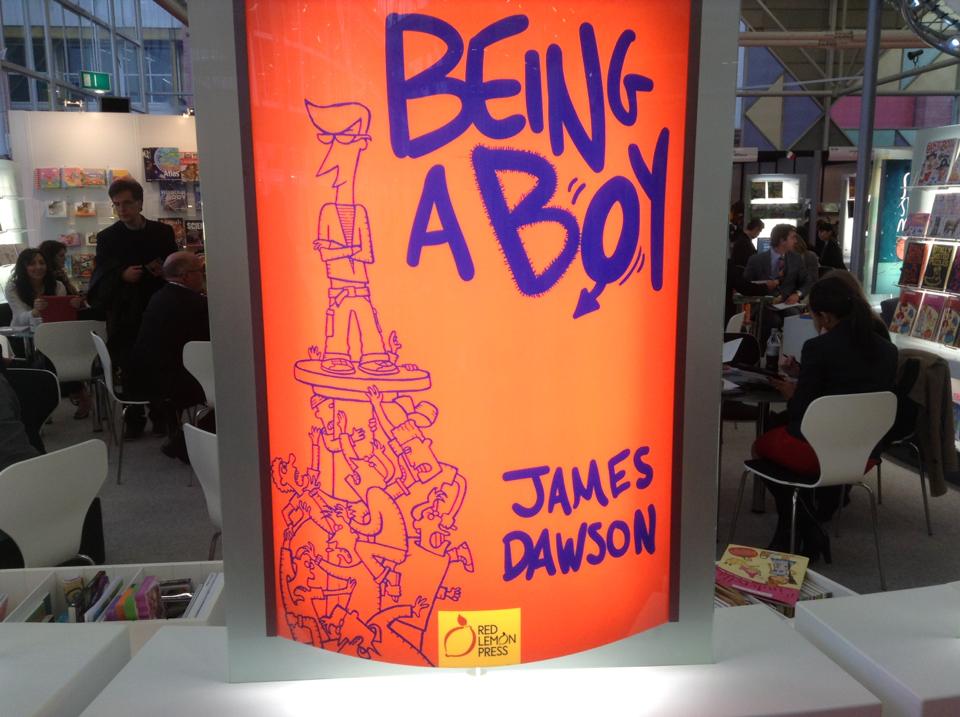
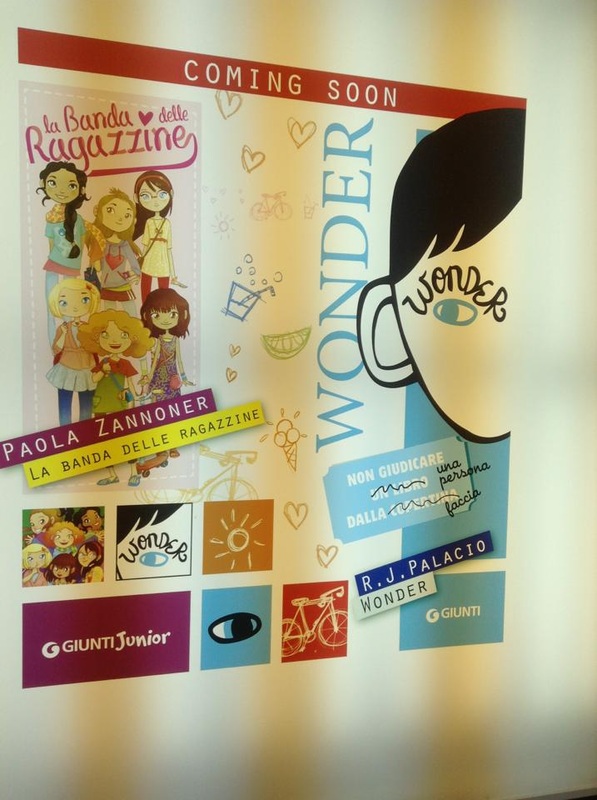
As a whole the industry was moving towards a lot of renewed interest in Middle Grade fiction. Bonnier imprint Red Lemon Press displayed Being A Boy by James Dawson. There was also Emily Diamand’s Ways to See A Ghost, and World War One fiction such as Dog In No-Mans Land. Little Brown also had a number of middle grade fiction titles including the sequel to Chris Colfer’s The Land Of Stories, cover art covered up under sheet paper until it is no longer embargoed. Disney-Hyperion praised Gracefully Grayson by Ami Polonsky, a middle grade book about transgender identity and gender fluidity, a book about issues that tells the story in a way that doesn’t become an “issue book”. R.J Palacio’s Wonder seemingly paving the way for a rise in engaging and stimulating books for younger readers.

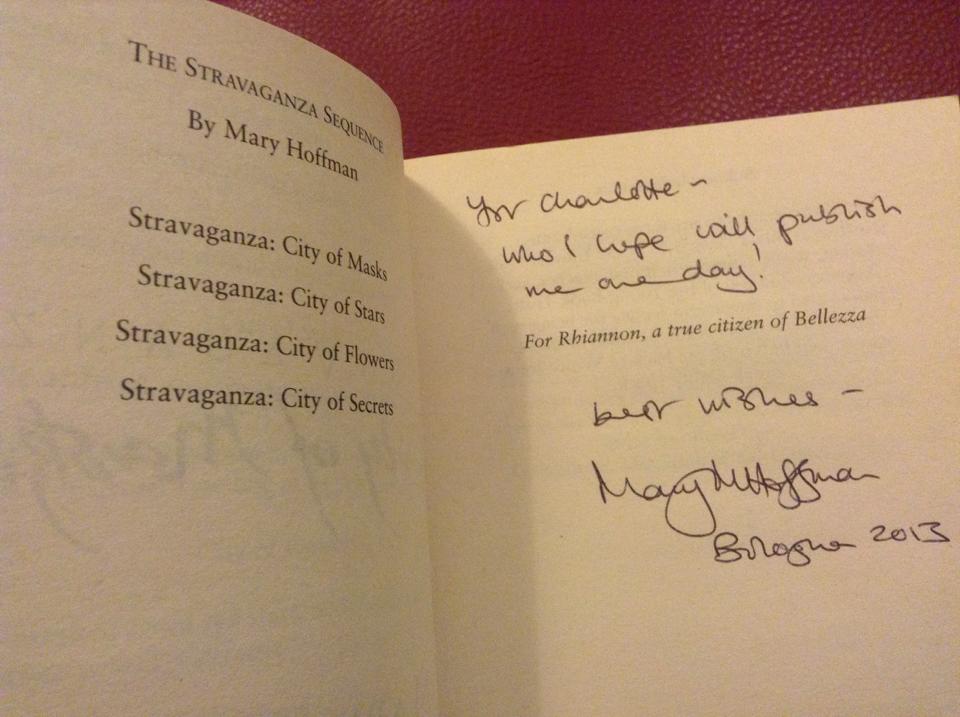
We left Mary with lots to think about and keep an eye out for in our walk around the fair. And furthermore she graciously agreed to sign my copy of City of Masks with a lovely message. Maybe one day I will get to publish one of her books, as coincidences such as this chance encounter can happen when you least expect it!


Part Two

0 Comments

Bologna Children's Book Fair: Part Two

30/3/2013

0 Comments

 
Picture
The World of Children's Publishing
OICPS organised several other meetings with industry members throughout Wednesday, demonstrating a variety of points of view across the Children's publishing world. Our Italian students paid a visit to Mondadori, who publish the translations of major bestsellers like Suzanne Collins and Rick Riordan as well as classic Italian literature like Italo Calvino's fairy tale retellings.

My next meeting was with Thames & Hudson, and Tiziana Zaini a former OICPS student who now works for the T&H Children’s Rights team. Known primarily for high quality art books for the adult market, the children’s list is a new direction for the publishing house.The children’s team not only had to establish themselves within the market, but also convince Thames & Hudson of the validity of creating this new list.

She and her boss gave us some insight into the way they work. It takes one year in advance of publication to secure the co-edition and foreign language deals necessary to make publication viable in its first print run. Due to the restriction of permissions, Thames & Hudson don’t offer digital content, instead they focus primarily on creating beautiful books that adults and children alike will want to display and treat as a valuable object. These are visually exquisite: The Book House displayed one of their latest titles, a paper cutting illustrated fairy tale book, in their Christmas window.

Disadvantages: time and start-up costs, including building contacts from scratch and conducting field research for younger readers. Money and investment in coming to extra fairs like Bologna, outside of Thames & Hudson’s previous publishing circle. The Rights team had only been to the fair for three years, and this year was the first that they’d felt they had successfully established themselves as a producer of children’s art materials in the eyes of their competitors and potential customers.

Advantages: Penetrating new markets, countries that wouldn’t invest in large hardback art books for adults due to costs but would happily invest in cheaper child friendly material. Likewise maintaining contacts with previous Thames & Hudson markets and expanding what they have to offer. By employing specialist editor Jane Wiltshire who had designer, editor and illustrator contacts, Thames & Hudson began to strengthen their list as an identity with a range of 25 titles, selling 350,000 copies in translation of 21 languages since 2007

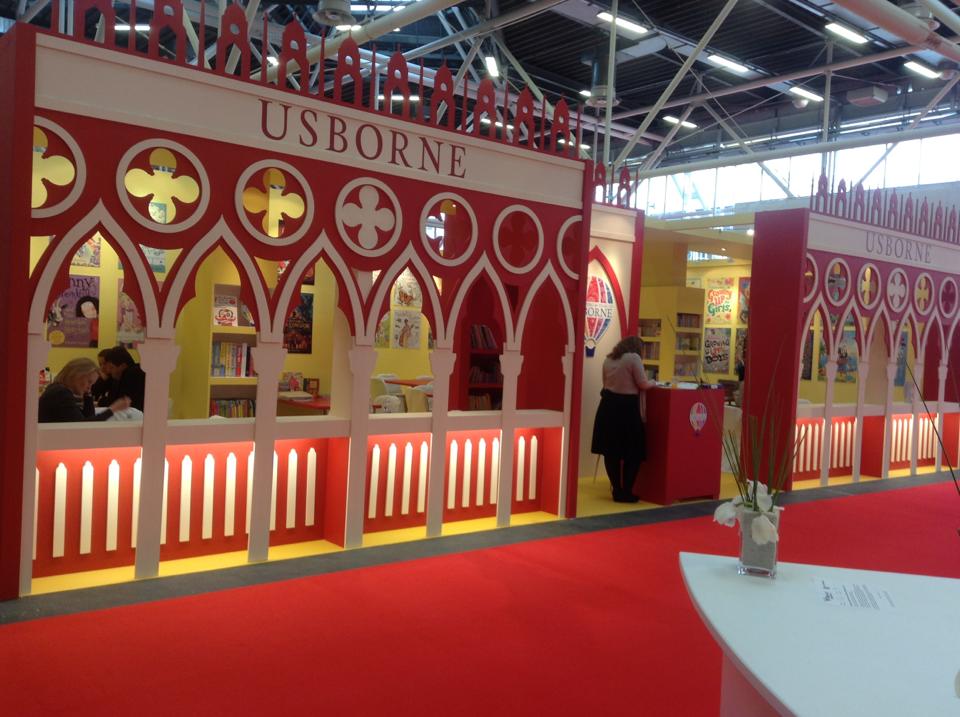
Later we met with Usborne, whose striking red castle display lent itself well to the company image. Bright, playful and yet a sturdy and well recognised brand, our discussion showed the strength and expanding presence that Usborne holds in the children’s market place, particularly amongst activity books. Our contact had worked for Usborne for thirteen years and gushed about the company, saying she couldn’t imagine working anywhere else. I felt that compared to some of the others we had seen this was most definitely a giant, a well-oiled machine that delivered products for co-edition that were carefully in keeping with an established customer base expectation.  

At the Lion Hudson stand, Robert Seath the International Rights Manager offered us the chance to role play a Rights deal. Zara, Judith and I became an Italian travel publishers interested in expanding our list to include biblical gift books, whilst Karly and Laura attempted to purchase the US and Spanish translation Rights for a series of activity books for their Bible belt company. Walking through the deal, it was easy to see the nuances of negotiating, and the business mind required for the job. Honesty and a careful hand were the main criteria needed. Don’t promise too much yet don’t underestimate your abilities or your customers. Karly and Laura secured their deal taking it off the table with a handshake (an industry promise) whereas my little team decided to return with further research proving we could secure a large pre-order in the gift shop market.

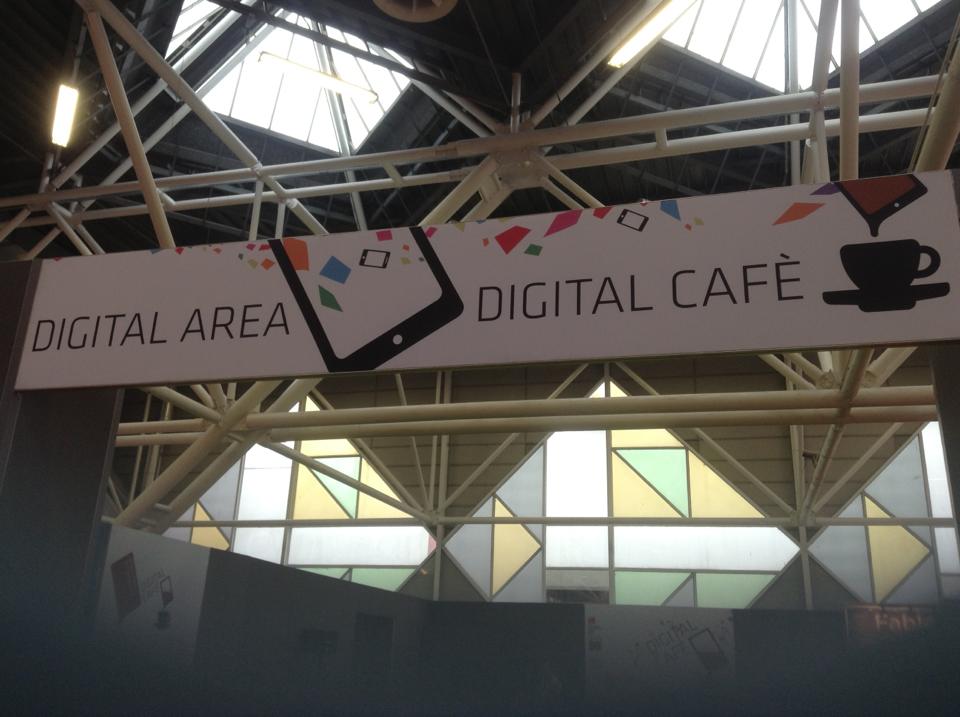
After our conversation with Lion Hudson we met up with our teacher, Sally Hughes, in time for the OICPS talk at the digital cafe. Zara and Judith had researched the merits of apps and ebooks, and asked South Oxfordshire children whether they thought interactivity meant they read more. Their findings showed that encouraging children to read rather than play games is an ongoing process.  

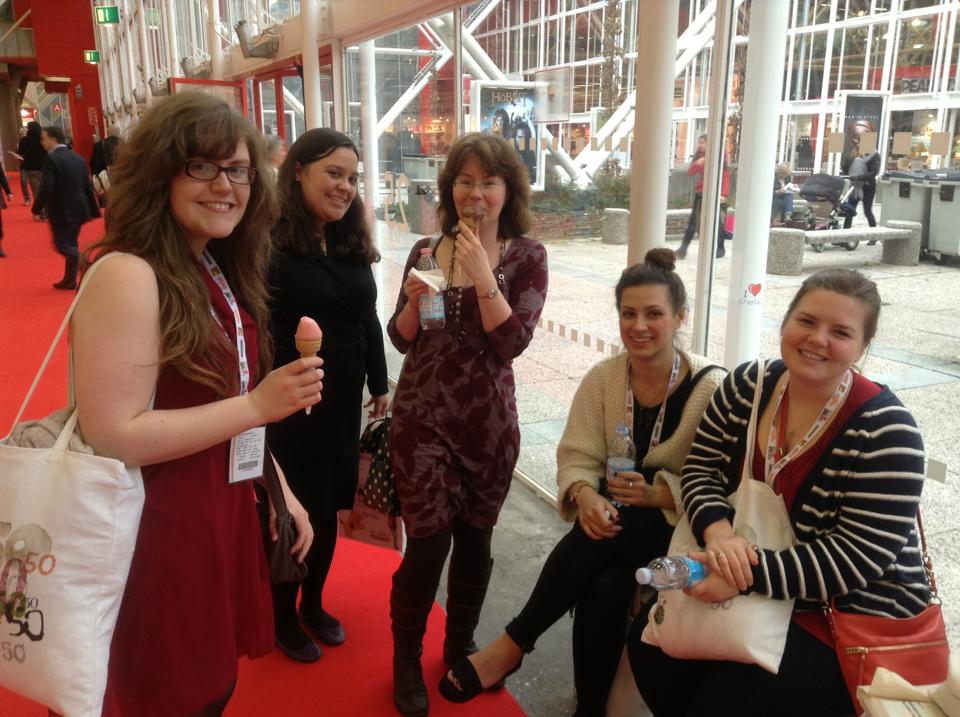
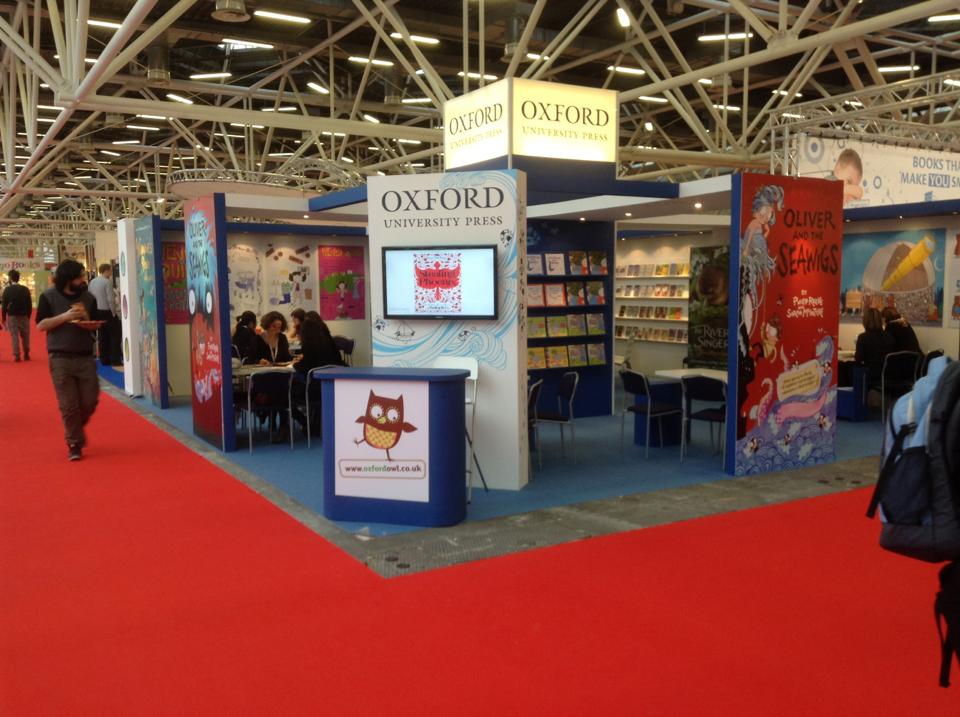
Our final appointment of the day was with Oxford University Press. Polly Silk from SYP was mid-deal when we arrived so we waited a little while for the chance to speak with her and her boss Anne-Marie Hansen (keeping a hopeful eye out for handshakes and smiles!) But as we’d located an ice cream van and a bench to rest our aching feet, this wasn’t a hardship. Anne-Marie showed us the many language editions proudly displayed on OUP’s shelves, for example a modern illustrated edition of Wind in the Willows. She also explained that not all titles would sell to the markets you’d expect, for example the highly popular English picture book and young readers series Winnie the Witch has yet to break America despite 25 years of success in the UK. OUP illustrated dictionaries did very well in co-editions, with foreign publishers adapting cover designs to suit their own market (Scholastic’s Education branch adapting the cover to fit in with their own dictionary list.) The OUP stand was proudly illustrated with sea monkeys to show off their big buzz title Oliver and the Seawigs by Philip Reeve and Sarah McIntyre.

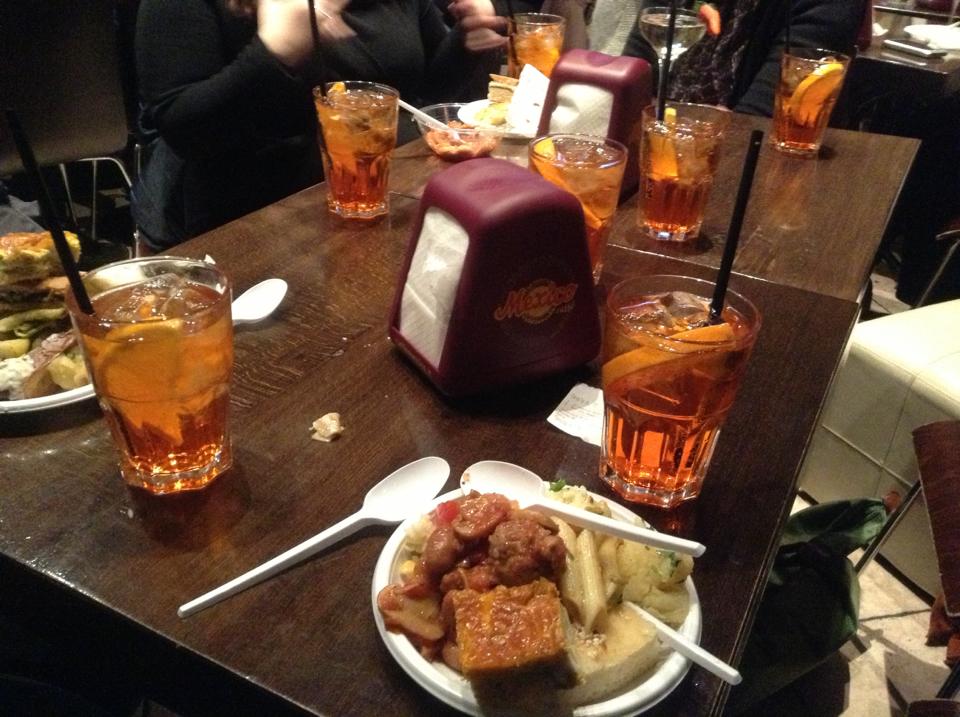
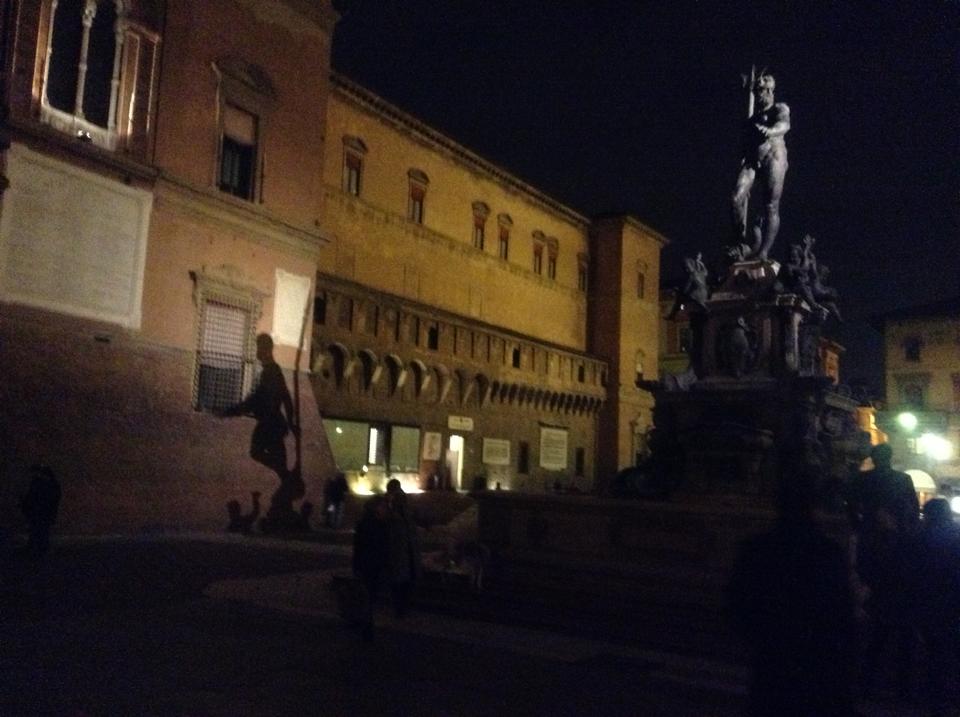
After this long and intense but incredibly beneficial day, OICPS dashed to the cloakroom to rescue our coats with fifteen minutes to spare and then headed into the centre of Bologna to celebrate our success (and Sally’s recovery of her passport) with wine and pizza, spritz aperol and a buffet. Many thanks to Sara and Laura for finding Cafe Zamboni and showing us some Italian nightlife!

I had a really wonderful time visiting the fair, witnessing the real life of publishing and seeing books find homes in new markets around the world. I would definitely recommend paying the fair a visit if you are interested in Rights or in Children's publishing, as it shows how the industry operates on a large scale. I can't wait to see what happens to the books we heard whispers about when they are published and released into the wild!


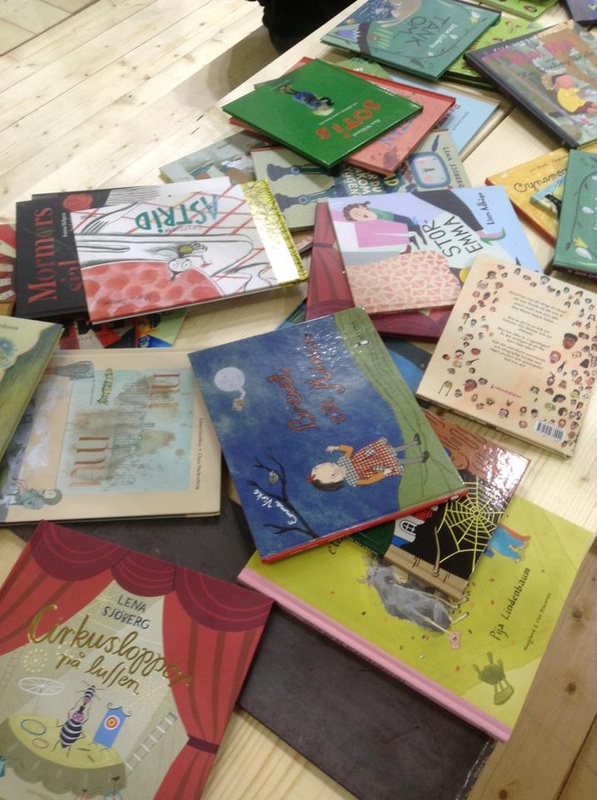
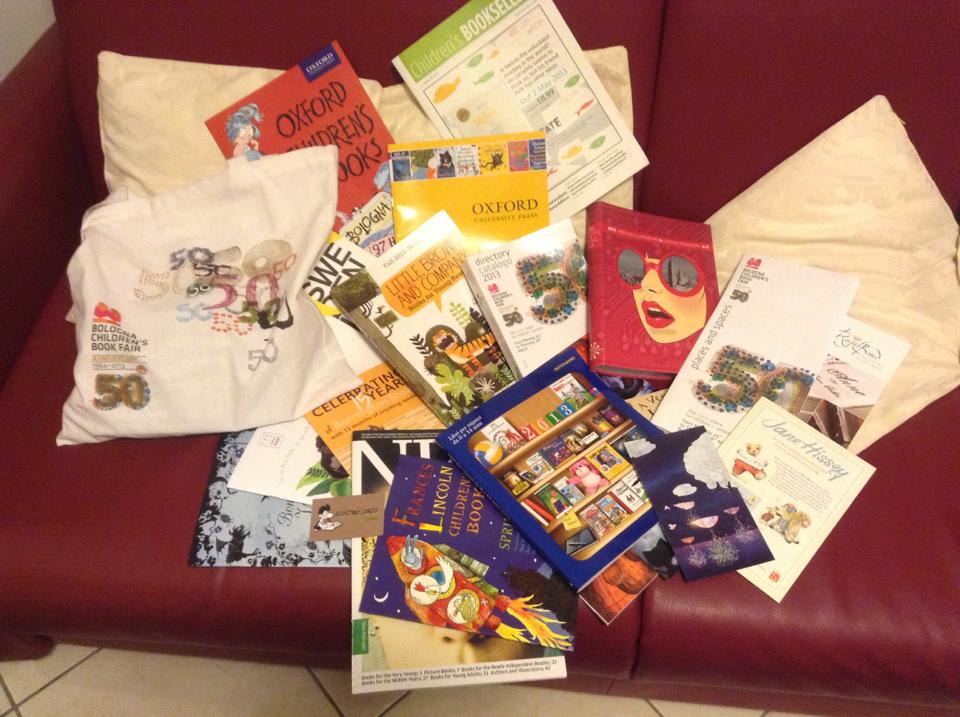
I shall leave you with an image of the catalogues I managed to scoop up on my travels...

Part One

0 Comments

Badger Alert – Translation Rights and Co-editions

14/3/2013

1 Comment

 
Picture
"Beware of badgers" - this was one of the key issues amongst the tips and tricks given to us by Lynette Owen and Diane Spivey in our Rights lecture this morning.

Now that the OICPS Rights class of 2013 have wrapped our collective heads around seven weeks worth of lectures, it is time to meet the lady who quite literally wrote the book on Selling Rights (now in its sixth edition.) Lynette Owen OBE is the Copyright Director of Pearson Education Ltd. She was given the London Book Fair International Lifetime Achievement Award in 2003 and the Inaugural Kim Scott Walwyn award for achievement by women in publishing in 2004. Diane Spivey is the Rights and Contracts Director at Little Brown, whose responsibilities include ensuring Ozzy Osborne has all the correct translated copies for his recent overseas concert – or suffer the wrath of Sharon.

Ensuring that copies of English books are available across the world is a tricky business. Operating from a lifetime of Book Fairs, someone working in Rights must be sensitive to carefully managed time, money, and cultural factors.

Selling translation rights of a business book entitled Are You a Badger or a Doormat? How to be a Leader Who Gets Results will prove difficult when the country whose market you are hoping to tap either: 1.) has badgers who look very different to our British natives living on the front cover, or 2.) don’t have badgers at all.

How will someone in Dubai know that a badger is a nocturnal animal wary of humans, emerging at night to be productive only to scurry away? And will that metaphor translate into the secretive boss who doesn't give much away to their staff?

When the badger is a key character in a children’s book, forget about co-editions unless marketing the book as a cultural oddity. What IS this strange black and white stripey thing?

To work in Rights means managing a personal database of connections across an international publishing industry so as to instinctively know who will be interested in your product. It is a job which means eliminating the people who aren’t suitable as much as finding those who are.

The goal is always to get the big deal, to sell to multiple markets and work the economy of scale for the best deal for publishers and their foreign partners. However tapping small markets with carefully constructed deals can prove equally beneficial if it means securing copyright management, avoiding piracy, and spreading brand recognition.

If this means compromising on details such as uniforms/no uniforms in school playgrounds, driving on the right instead of the left, taking out that image of Big Ben and replacing it with an Eiffel tower, then it can be done. And maybe we can substitute that badger for a groundhog? During our field trip to Oxford University Press last week, Children's and Educational Rights Manager, Polly Silk, explained that with digital developments, sometimes changing these issues can be as simple as a click on the computer to flip an image or reverse some colours. Diane Spivey reminds us, however, that these books still need special consideration when it comes to printing plates, and additional costs from designers and printers do occur.

I shall be heading to Bologna Children's Book Fair on the 26th March.

Key equipment to keep an eye out for around the stands:

Dummy copies – blank mock ups from the printers that demonstrate the quality, size and weight of a book.

AIs (advance information sheets) – documents listing summary, price, previous editions and unique selling points for upcoming titles.

Design spreads – especially for picture books, highly illustrated displays that get the look across to customers.

Catalogues – find the publisher’s list for the upcoming year and note previous bestsellers.

iPads – okay so the publishing industry is cutting down it’s print promotional material for costs and environmental reasons, but catalogues are making their way to visually appealing digital formats.

Calculators – this one might just be for my benefit. But I got to grasp with figuring out those gross profit details in the end. Practice makes perfect, right?


1 Comment

Young Adult Fiction: Coming Out of the Closet #lgbtYA

22/2/2013

0 Comments

 
Picture
‘While the US has seen an explosion of LGBT books for teens, there are still relatively few in the UK. This panel discussion from Booktrust asks why this is, and does it matter?’ Free Word Lecture Theatre 

“Y'all should come to that free event. @hayleywrites and I will be discussing why LGBT characters are underrepresented in YA fiction.#YAlit” - James Dawson.

Having spotted an exciting looking retweet announcing the event on my feed two weeks ago from Children’s Book Circle, I ventured out on my own to London on Thursday evening for an evening discussing inclusion and representation in Young Adult literature.

Chaired by Booktrust’s Alex Strick, (@stricolo) who works to make children’s literature accurately reflect diverse society, the event was devised to promote and prompt discussion into an obvious gap in the UK market.

As they worked to compile a list of diversity books for their website, Booktrust were surprised to realise just how few books there are out there that feature lesbian, gay, bisexual and trans* characters. They asked themselves, how can we change this? Nikki Marsh suggested taking a risk and organising an evening of discussion to get the ball rolling. So Nikki, Katherine and Alex assembled an expert panel.

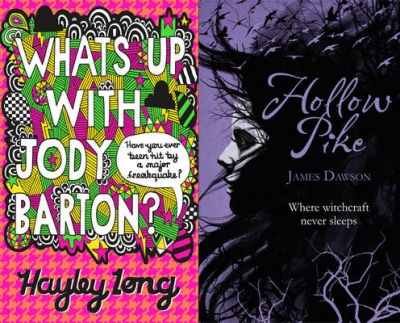
James Dawson is the author of Hollow Pike, a dark adventure which follows a coven of friends, Liz (who identifies straight), Kitty and Delilah (a lesbian couple) and questioning Jack. Written partly as a response to the rise in the supernatural fiction and also from the feeling that he’d never read a book that reflected he and his friends growing up in West Yorkshire. When it came to crafting the friendship group of core characters, Dawson says ‘it never occurred to me not to include queer characters in there.’ (Queer is the term he uses as the children are still discovering themselves and aren’t assigning themselves labels). His characters are driven by their differences, but their difference is that they are witches, not whom they love. They likewise struggle with deadlines, parents and ‘universal experiences.’

In his next novel Cruel Summer, his gay protagonist is an evil teen who (spoiler alert) discovers a body in his swimming pool...because, as Dawson says: ‘Just because you’re gay, doesn’t mean you’re a special snowflake.’

Author Hayley Long wrote 2012 Costa Award shortlisted What’s Up With Jody Barton. She describes her book as ‘sneaky’, and admits that she never set out to write a gay character, Jody ‘found her’ and he crept up as a reaction against writing the same old. She likes to challenge herself as a reader and a writer, and she’d never been a gay teen boy. When asking herself whether or not she could do it, she decided to ‘give it a go, what does it matter?’ With its hot pink jacket and lack of identifiable pronouns on the dust jacket and far into the narrative, Long hoped that her book would encourage her established readership of young teen girls ‘to put on a pair of shoes they weren’t expecting.’ It is essentially a story about an unrequited crush, an experience to which we all can relate.

Catherine Hennigan is a 3rd Year Social and Political Sciences student and Lesbian Convenor at the University of York, working to promote diversity and equality in the workplace with the stonewall young talent program. She discussed her experiences at school, seeking out characters she could identify with at the library and often coming up empty. The titles available often were written by American authors, about circumstances that were unfamiliar, and often showed caricatures rather than characters. She also explained the sense of feeling that she didn’t want to out herself and be seen with ‘the gay book.’ As readers, queer identifying people should be granted the same anonymity of discovery as heterosexual readers, and with the current lack of titles available the ‘rainbow flag’ LGBT books stand out as something somehow other.

Hot Key Books representative, editor Emily Thomas, explains that recently the manuscripts being submitted can have the problem of becoming issue led rather than story focused. The characters identity must be better woven into plot led, well-structured and beautifully written books. Furthermore there is a certain amount of sensitivity that must be taken with portraying people in stories rather than an umbrella of identity. Hot Key Books most recent success with Sally Gardner’s Maggot Moon which touches briefly on a male/male kiss is ‘ultimately about love’ and friendship, yet the plot remains the focus of the story and the protagonists are well rounded individuals. The story is also about dyslexia, dystopia and drive.

Marketing LGBT books is tricky, juggling at once how to highlight the inclusion of characters to those who are purposefully seeking them out and resisting excluding readers from feeling the book is ‘for them.’ The internet is a powerful tool in helping LGBT identifying readers discover books that reflect their wants, with online book groups and lists on sites such as amazon, goodreads and and Booktrust hopes to continue the discussion and create an expanding list of available titles in the UK. Hayley Long explains that she didn't want her readers to pass on by her book before deciding to read it by clearly labelling it as a gay book, and that by not including the identifiers on the book blurb, readers follow Jody on his journey without prejudice.

There is a demand for more books featuring lesbian and gay characters, as people should see themselves reflected in literature they consume. As Cat Hennigan says ‘everybody should be reading these books’ so as to normalise society in the way it is consumed by the public. Dawson agrees that although LGBT readers may be a minority, heterosexual members of society are still ‘living with us’ and therefore the books aren’t just ‘special books for special people’ but a realistic representation of the reality of the world we live in and share. As society becomes more open to equality, political debate surrounding marriage equality takes significant strides forward, and media such as television and film introduce LGBT characters, it is strange that the publishing industry is falling behind.

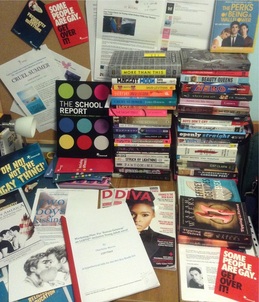
As I work on my Major Project looking into strategies for marketing LGBT YA lit during 2013, this event was incredibly insightful and useful (and funny!) 

I hope to see more events such as this from Booktrust and others in the future.  

Find out more information at the Free Word page 

Keep an eye out for the Podcast read Katherine Woodfine's blog about the event here

Free Word is an international centre for literature, literacy and free expression. It aims to push boundaries to promote, protect and democratise the power of the written and spoken word for creative and free expression.


0 Comments
<<Previous
    Picture

    About Charlie

    Charlotte Morris is Publicity and Marketing Executive working at Little Tiger Press. She's passionate about LGBTQ* representation, Children's and YA fiction, an alumna of the Oxford International Centre for Publishing Studies, and former independent book shop assistant.

    A fairytale enthusiast and fangirl; she is stuck in a vivid daydream about Venice and a particularly scrumptious hazelnut espresso.

    #WeNeedDiverseBooks

    Archives

    July 2016
    May 2016
    October 2015
    August 2015
    July 2015
    May 2015
    April 2015
    February 2015
    December 2014
    October 2013
    June 2013
    May 2013
    April 2013
    March 2013
    February 2013
    January 2013
    December 2012
    November 2012
    October 2012

    Categories

    All
    Amity & Sorrow
    Assessment Wonderland
    Audrey Niffenegger
    Author Events
    Bologna Book Fair
    Book Review
    Booktrust
    Charlie
    David Fickling Books
    Diane Spivey
    Eowyn Ivey
    Fairy Tales
    Halloween
    Hank Green
    Hayley Long
    Headline
    Hot Key Books
    Internship
    Jack Zipes
    James Dawson
    LGBTQ*
    Lion Hudson
    Liz Bankes
    London Book Fair
    Lynette Owen
    Major Project
    Mary Hoffman
    Michael Rosen
    National Book Awards
    Neil Gaiman
    Nerdfighter
    New Adult
    Nosy Crow
    Nyt Bestsellers
    Oicps
    Oliver And The Seawigs
    Oxford University Press
    Publishing
    Reading List
    Rights
    Sam Eades
    Simon Mason
    Snow Day
    Social Media
    Story Museum
    Syp
    Tanya Byrne
    Thames & Hudson
    The Book House
    The Fault In Our Stars
    The Lizzie Bennet Diaries
    The Ocean At The End Of The Lane
    The River Singers
    Usborne
    Vintage
    Vlogbrothers
    Waterstones
    Web Marketing
    Working In Publishing
    Young Adult

    RSS Feed

Powered by Create your own unique website with customizable templates.